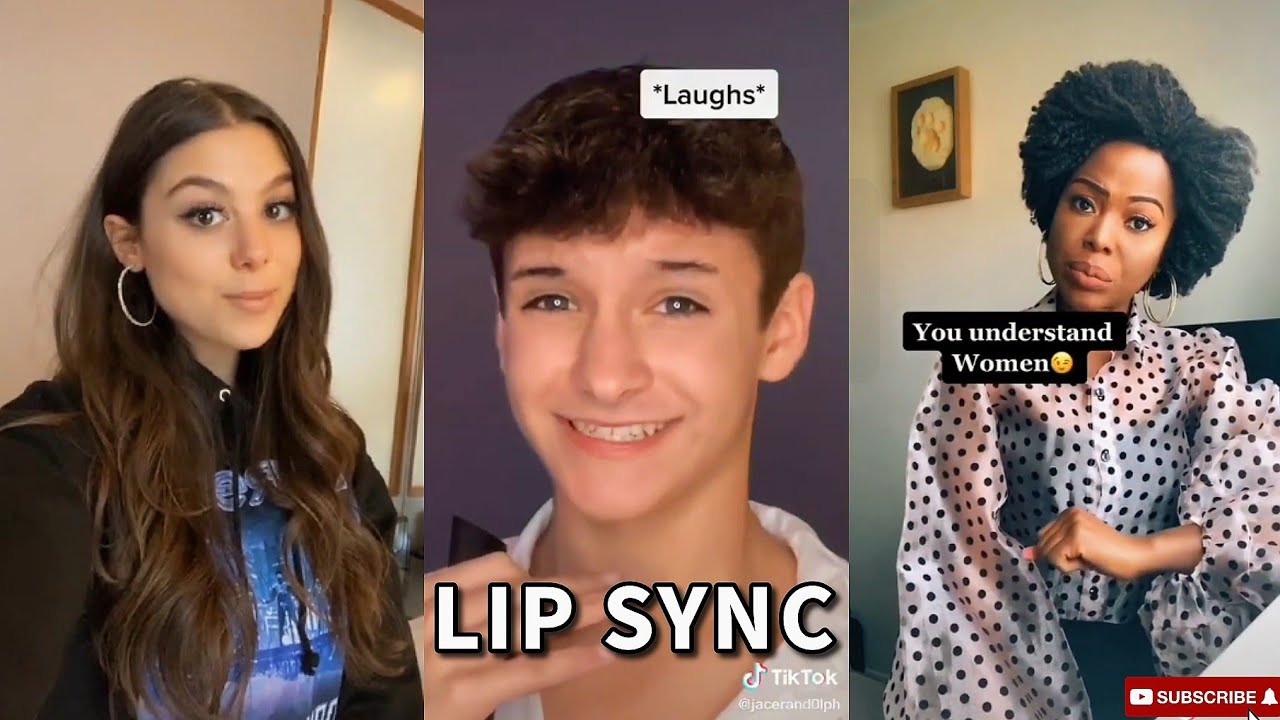
Lip sync culture has evolved from a lighthearted juvenile pastime into the primary driver of global music commerce. What began on Musical.ly as simple video miming now dictates commercial release schedules, catalog valuation, and the architecture of popular songwriting. The modern listener demands participation rather than passive reception, using snippets of human voice to articulate their own identity across digital feeds.
For emerging artists, street buskers, and legacy catalog trustees alike, the lesson of this era is unambiguous: cultural permanence no longer flows top-down from major labels. It bubbles up from raw vocal hooks, subway platforms, and bedroom recordings, riding the algorithmic current straight onto the world stage.

