To understand why Blockbuster wound up on a streaming remote, trace the timeline back to April 2011. Blockbuster had filed for Chapter 11 bankruptcy the previous autumn, crushed under billions of dollars in debt and blindsided by Netflix's mail-order discs and Redbox kiosks. Satellite provider Dish Network, led by billionaire Charlie Ergen, swept in at a bankruptcy auction, buying Blockbuster's assets for approximately $320 million.
Ergen intended to use the brand name to build an entertainment ecosystem capable of fighting both cable rivals and Netflix. Dish launched Blockbuster On Demand, a transactional video-on-demand service designed to sell and rent digital titles without requiring a monthly subscription. Dish also introduced the "Blockbuster Movie Pass" for its satellite subscribers, bundling streaming, mail-order DVDs, and gaming discs.
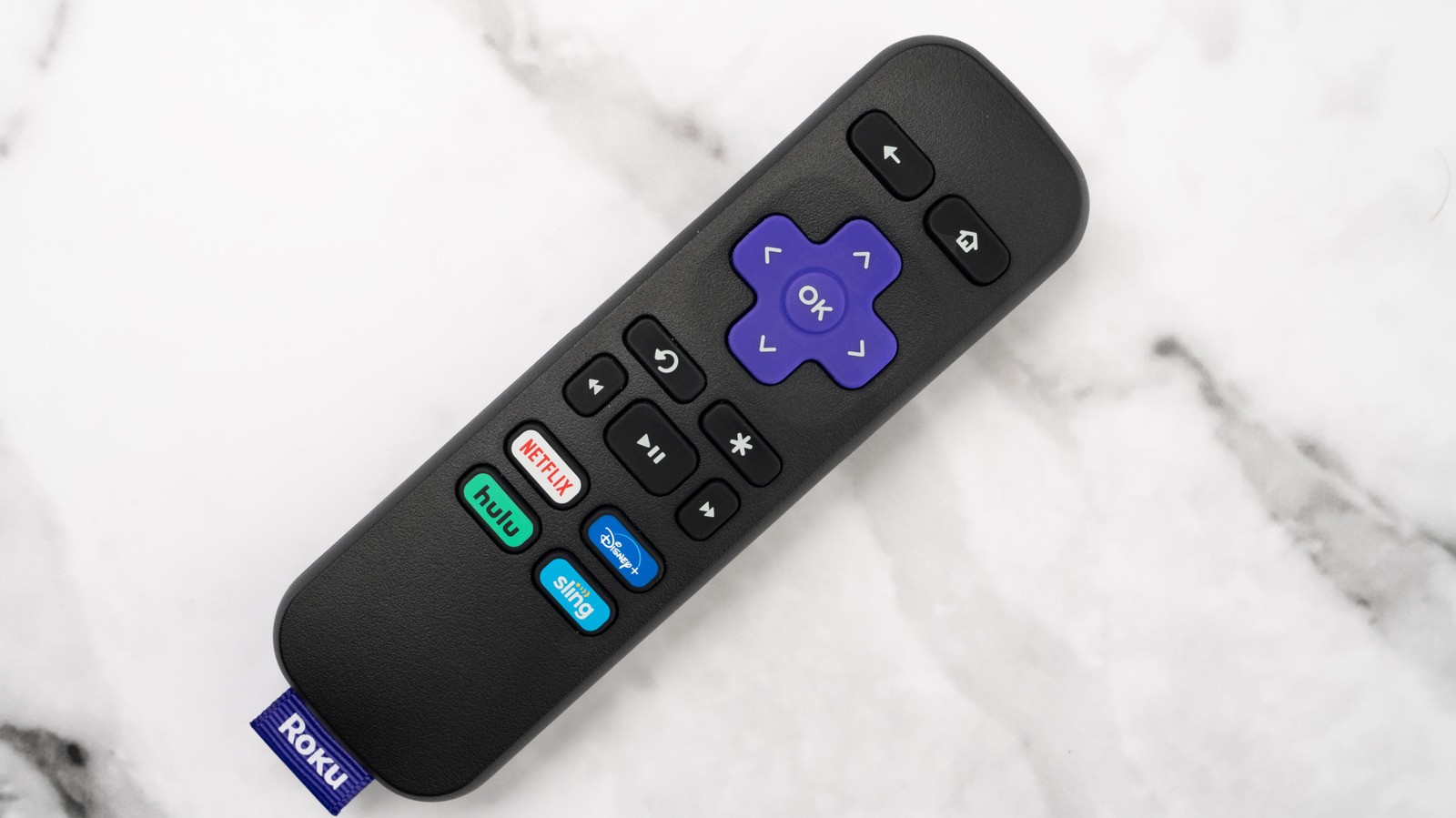
Dish poured capital into customer acquisition. Streaming players were suddenly the primary gateway into living rooms, so Dish negotiated carriage agreements with hardware vendors. Securing a dedicated spot on the Roku 2 remote was the crown jewel of that distribution offensive. Dish executives bet that if millions of living rooms had a direct, tactile pathway into the Blockbuster store, convenience would overpower Netflix's growing library of original programming.
The bet failed almost instantly. Blockbuster On Demand lacked exclusive content, suffered from inconsistent technical performance, and relied on pay-per-rental pricing at a time when consumers demanded all-you-can-eat monthly subscriptions. Dish began shuttering physical stores in waves throughout 2012 and 2013, eventually killing the streaming service and letting the operational licenses lapse. The channel disappeared from the Roku Channel Store, leaving the remote's plastic launcher permanently orphaned.

