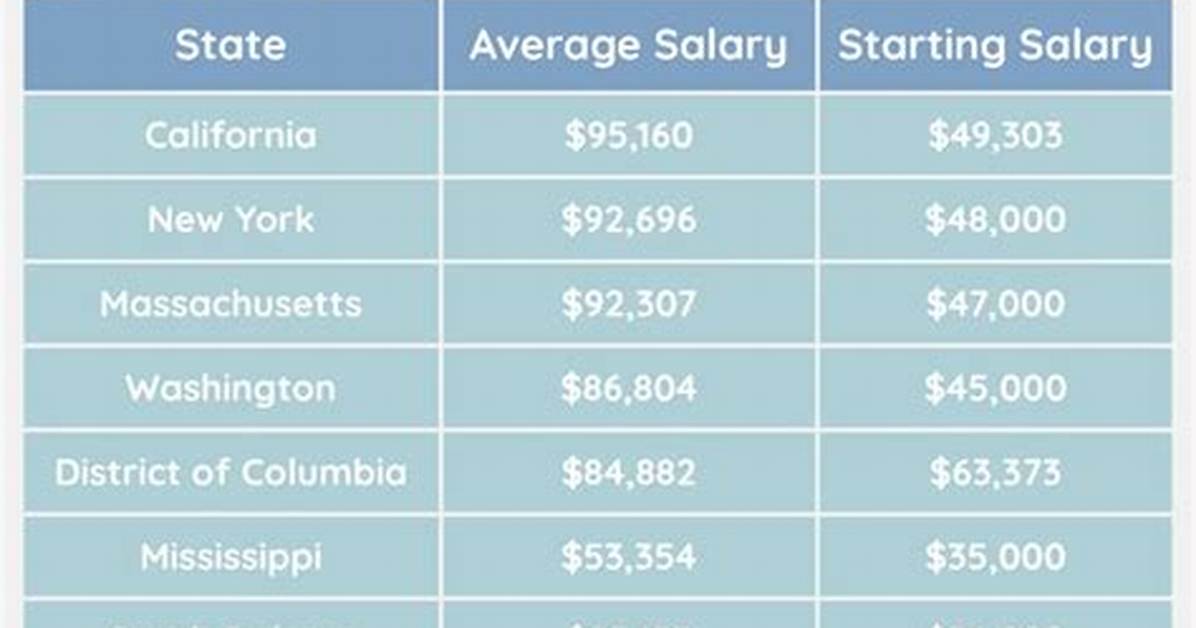
Understanding why compensation shifts student outcomes requires looking at the classroom life cycle. Educational researchers have long documented that teacher productivity climbs dramatically during the first five years on the job. A novice teacher in year one typically generates far lower learning growth than that same teacher in year five, after they have refined curriculum planning, classroom pacing, and diagnostic evaluation.
When teacher compensation falls behind local white-collar opportunities, attrition spikes precisely during this critical development window. Urban and low-income rural schools frequently lose 20% to 30% of their faculty annually. Consequently, classrooms in these districts are perpetually staffed by first- and second-year novices who leave just as their pedagogical skills begin to mature.
Constant turnover breaks institutional continuity. Curricular initiatives collapse, mentoring programs dissolve, and veteran educators must spend their planning periods supporting uncredentialed long-term substitutes. Raising compensation preserves the experience curve. By shifting a district's faculty profile from novice-heavy to experienced, students spend more years learning from educators who have mastered instructional delivery.

