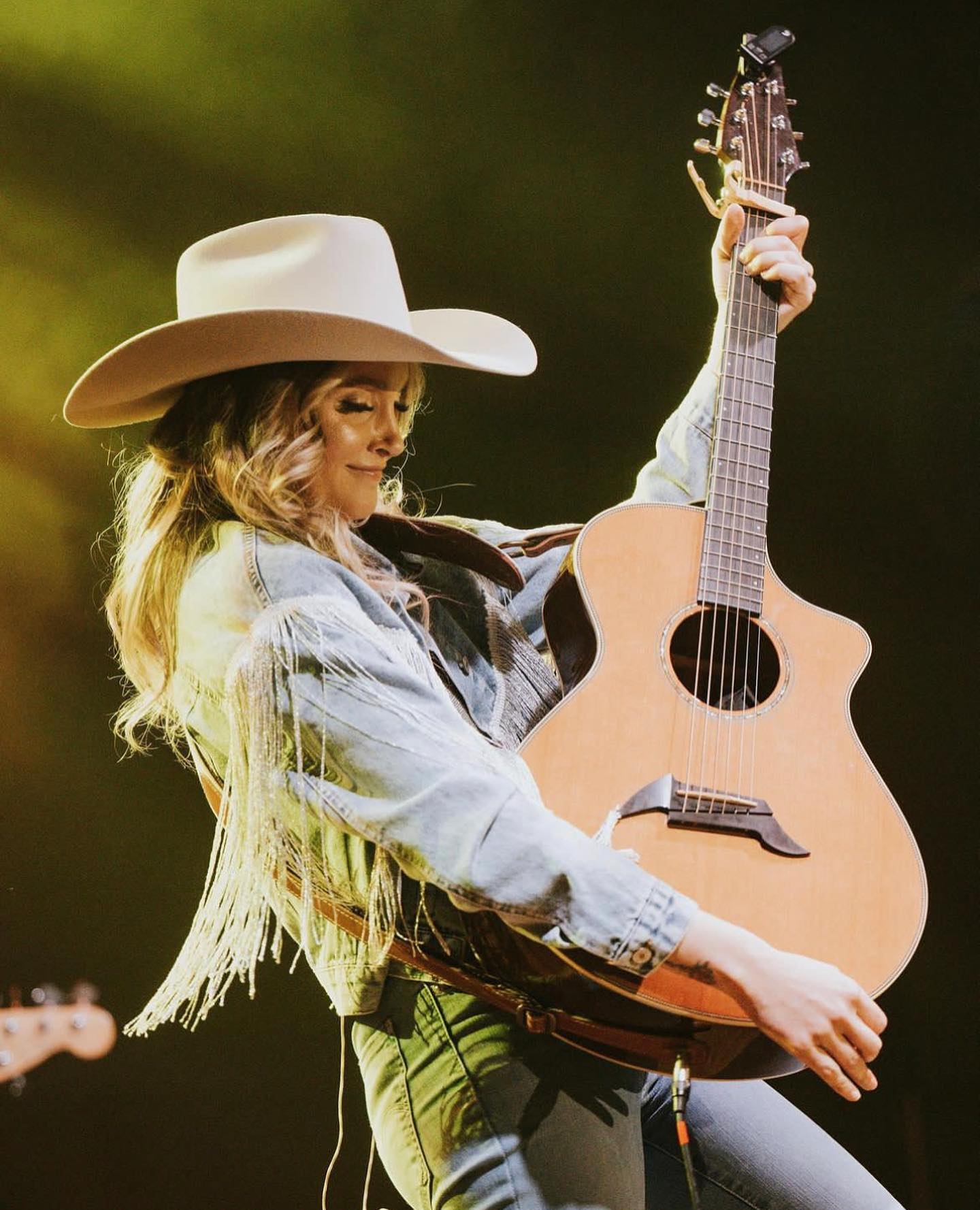
Country music spent years wrestling with the lingering fallout of "Tomato Gate", the infamous 2015 remark by radio consultant Keith Hill comparing female artists to the garnishing tomatoes in a salad dominated by male lettuce. While station executives spent the subsequent decade defending conservative rotation models, consumer habits migrated rapidly to Spotify, Apple Music, and YouTube. By mid-2026, the discrepancy between terrestrial airplay and consumer-driven playlists became too wide for executives to ignore.
Data from recent industry surveys confirms that women drove more than 40% of viral country audio tracks in the past eighteen months. Listeners did not reject female voices; they rejected the formulaic, corporate production pushed by syndicated networks. When given unmediated access via DSPs, audiences chose narrative nuance and emotional grit over polished bro-country anthems.
Major Nashville labels have restructured their A&R divisions around this reality. Roster signings now emphasize distinct vocal character, lyric-writing autonomy, and grassroots touring receipts over predictable corporate appeal.

