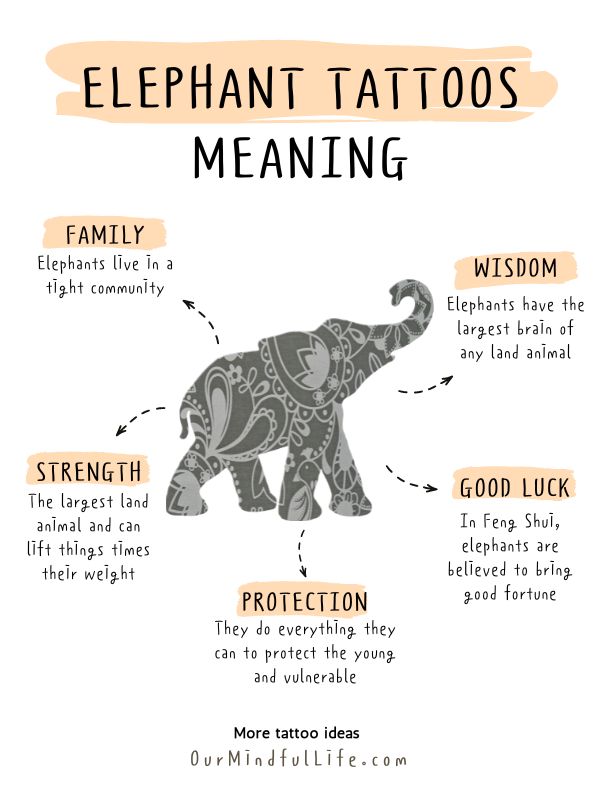
Contemporary studios approach the pachyderm through diverse artistic languages. Minimalist collectors gravitate toward a small geometric elephant tattoo. By trading organic skin textures for sharp polyhedrons, sacred ratio lines, and architectural triangles, artists strip away excess detail. This approach spotlights structural harmony, making it popular for subtle wrist, ankle, and behind-the-ear tattoos.
More elaborate, illustrative work often favors a detailed elephant mandala artwork. These designs fuse the head of an Indian elephant with layered Buddhist mandalas, using concentric circles to symbolize the infinite universe. Fine dotwork, intricate linework, and soft whip-shading transform the elephant’s forehead into a meditation piece. This style carries deep loyalty and wisdom meaning without using a full realism portrait.
For placement, the forearm elephant placement remains the most popular canvas worldwide. The natural muscular taper of the human arm, from the wide elbow down to the narrow wrist, fits the anatomy of an elephant head and extending trunk cleanly. When the wearer moves their wrist, the tattooed trunk flexes naturally with the arm's tendons.
[Forearm Muscular Flow]
Elbow (Broad Head/Temples)
\ /
\/
Mid-Forearm (Tusks/Cheeks)
||
||
Wrist (Descending Trunk)
Placing the motif on the inner bicep or forearm also allows the wearer to view it daily. The tattoo serves as an intentional reminder of resilience, memory, and personal grace under pressure.

