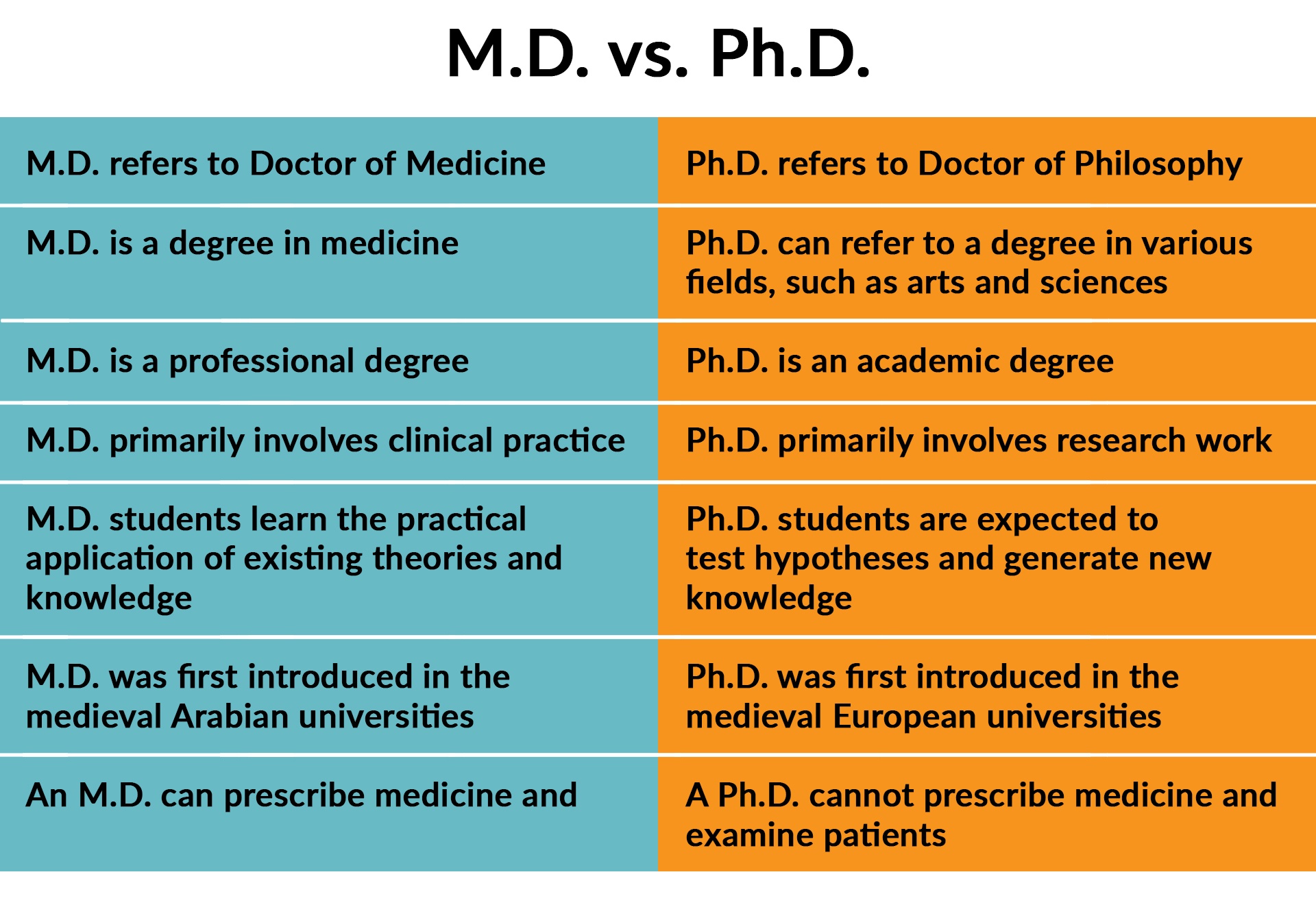
The institutional solution to this cultural split is the physician-scientist. Health systems and research institutes manage multi-billion-dollar clinical enterprises while seeking breakthroughs in targeted oncology and cellular therapies. Choosing an MD who lacks research rigor risks misallocating laboratory investments. Choosing a PhD who cannot navigate clinical trials or hospital dynamics leaves regulatory and operational blind spots.
That reality drove St. Jude Children’s Research Hospital to select Charles W.M. Roberts, MD, PhD, to serve as its president and CEO. Roberts built his international reputation identifying fundamental epigenetic mechanisms in rhabdoid tumors while caring for pediatric oncology patients. A leader who speaks the language of both patient wards and molecular genetics can evaluate laboratory progress without losing sight of clinical translational pipelines.
The appointment of Roy Herbst, MD, PhD, to head the Dartmouth Cancer Center reflects identical institutional logic. Herbst spent decades designing landmark clinical trials that matched patient genetics with targeted lung cancer therapies. When Penn State Health sought a chair for its Department of Molecular and Precision Medicine, selecting Jason Mills, MD, PhD, underscored the same priority: departments studying cellular mechanisms need chairs who can translate laboratory findings directly into clinical practice.
Dual MD-PhD programs, supported across the United States through NIH Medical Scientist Training Programs (MSTP), demand an arduous commitment spanning seven to nine years of school before residency begins. Yet institutions consistently reward that endurance with department chairmanships, institute directorships, and endowed chairs.

