Dystopian cinema often leans into grandiose stakes: fallen governments, ruined cities, and mass rebellion. Yet the moments that stick in collective memory are rarely the explosions. They are intimate tragedies that make the broader conflict personal.
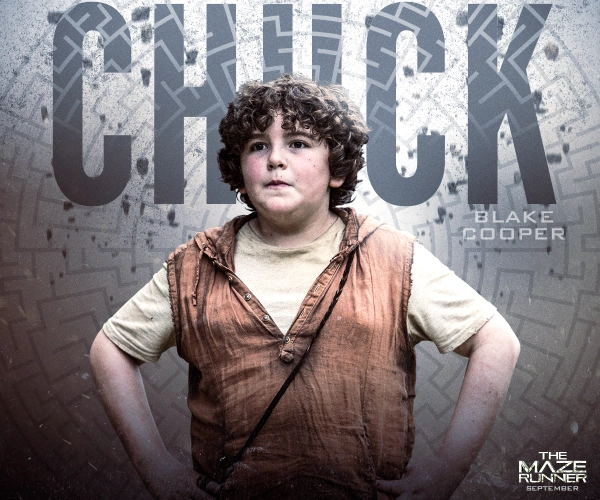
Chuck's sacrifice worked because the story let him remain a normal, frightened kid. He was never an elite warrior, a master strategist, or a chosen savior. He was a boy who carved wood and missed a family he could not remember. When Thomas clutches that tiny carved token at the end of the maze, the narrative lays bare its central premise: the real horror of WCKD was never the monsters behind the stone walls, but the calculated cruelty of an adult world willing to discard its most vulnerable children.

