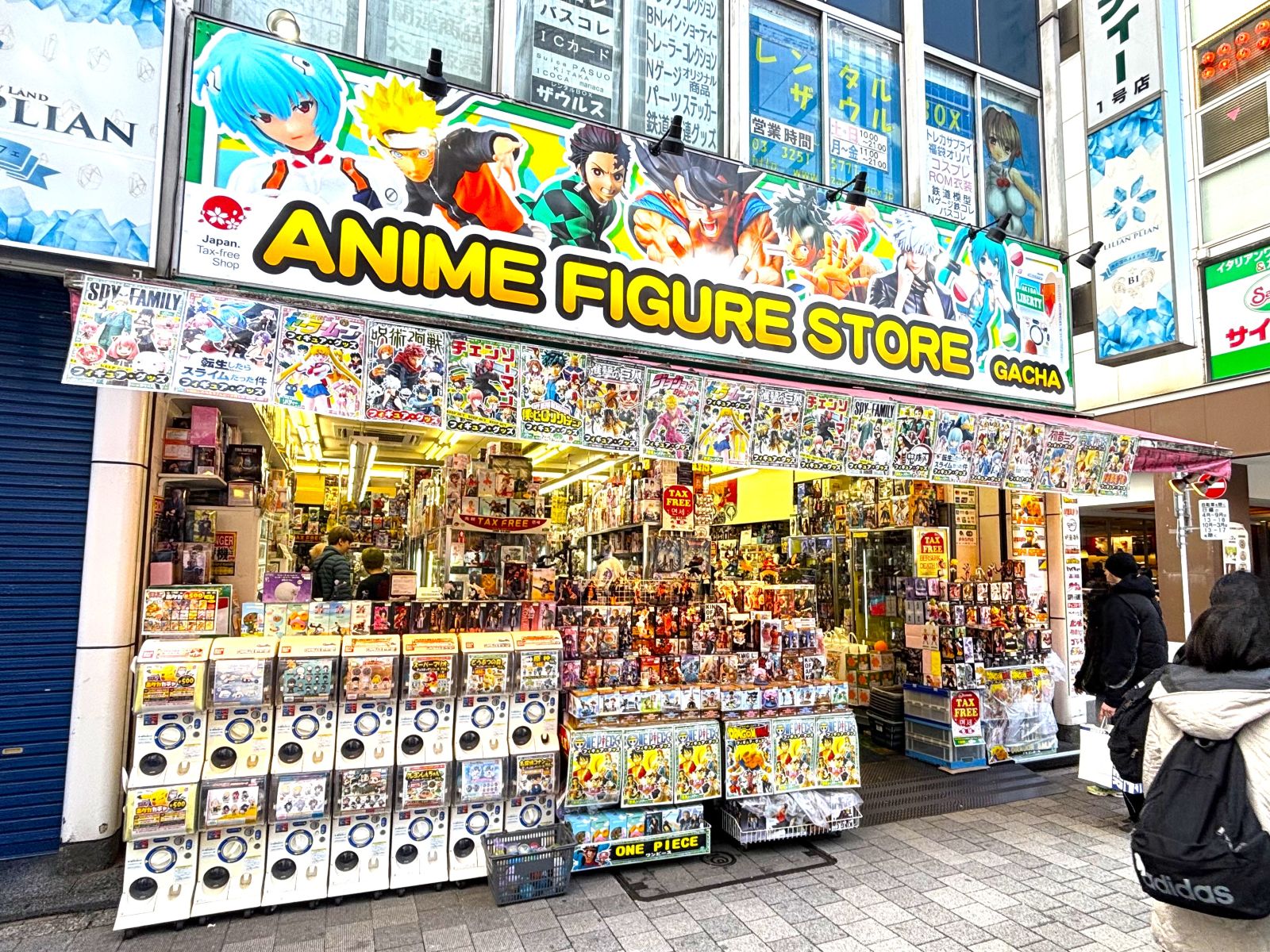
Collectors face a recurring choice: order directly from Japanese import retailers or purchase through domestic US-based figure shops. Neither approach is universally superior, but each involves distinct financial, logistical, and timeline realities that affect your bottom line.
| Sourcing Channel | Release Timing | Shipping & Customs Realities | Counterfeit Exposure |
|---|---|---|---|
| Japan Direct (AmiAmi, HLJ, Mandarake) | Immediate (Japanese street date) | High international freight ($35, $70/box); variable import processing | Near-zero via licensed storefronts; strict secondhand grading systems |
| Domestic US (Crunchyroll Store, BBTS) | 2, 4 months post-Japan street date | Predictable flat-rate domestic shipping ($4, $10); zero surprise customs | Zero when purchasing direct; risk emerges on third-party marketplace portals |
| Global Hubs (Tokyo Otaku Mode) | Split schedule (Japan/US warehouse dependent) | Tiered point-back rewards offset freight; variable international rates | Zero; verified direct distribution agreements across manufacturers |
| Open Marketplaces (eBay, AliExpress, Amazon 3P) | Unpredictable | Often untracked or slow sea freight hidden behind cheap pricing | Extremely high (estimated 60, 80% recast share on unverified sellers) |
Direct Japanese shipping via DHL or FedEx offers speed, but parcel dimensions have caused international shipping rates to spike since 2024. A large 1/4 scale bunny figure box can easily generate $80 to $120 in shipping costs alone, alongside regional tariff handling. Conversely, US distributors take delivery via ocean freight containers, absorbing bulk maritime rates and passing flat domestic shipping fees to buyers at the expense of street-date timing.

