Nusret Gökçe represents a uniquely modern phenomenon: an individual shaped by rural Islamic tradition who built an empire inside the secular temple of international influencer culture.
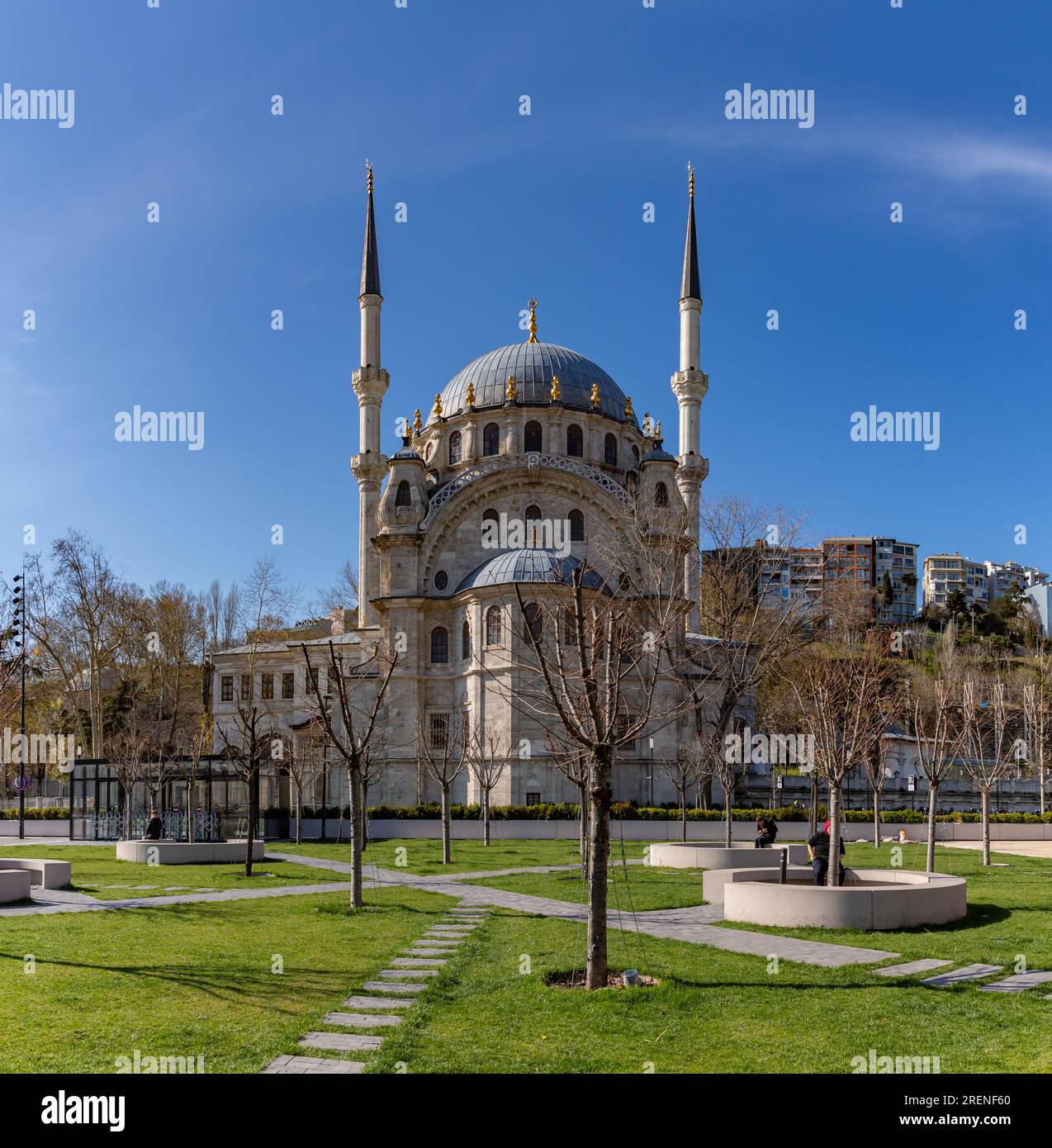
His religious identity cannot be neatly divided into genuine piety or calculated public relations. The mosque rising over the hills of Paşalı is real, made of concrete and stone, providing computers and classrooms to children who share his impoverished beginnings. The Umrah pilgrimages, the Ramadan observances, and the support for village elders reflect authentic links to his upbringing. Simultaneously, his gold-leaf steaks, high-profile lawsuits, and appetite for viral attention sit in sharp contrast to the modesty taught in the very community halls he funded.
Rather than resolving these contradictions, Gökçe lives them in full public view. He remains what he was when he first left Erzurum: an ambitious Anatolian butcher navigating an unfamiliar, hyper-capitalist world, carrying his heritage, his faith, and his flaws onto the global stage.

