The chemical profile of unregulated flexible polyvinyl chloride (PVC) and thermoplastic elastomers (TPE) represents the most insidious threat. To achieve the extreme, pliable stretch characteristic of viral squishy toys, cut-rate manufacturers incorporate plasticizers known as phthalates. In legitimate toy manufacturing, chemical thresholds are strictly bounded by law. The UK REACH and EU chemical safety frameworks mandate that restricted phthalates, such as DEHP, DBP, and BBP, must not exceed 0.1% by weight in children's toys.
Independent toxicological screenings of seized novelty toys have frequently discovered phthalate concentrations exceeding legal limits by up to 200 to 300 times. Phthalates act as endocrine disruptors. Prolonged dermal contact and saliva exposure from mouthing can disrupt hormone synthesis, potentially impairing reproductive development, liver function, and metabolic pathways over time.
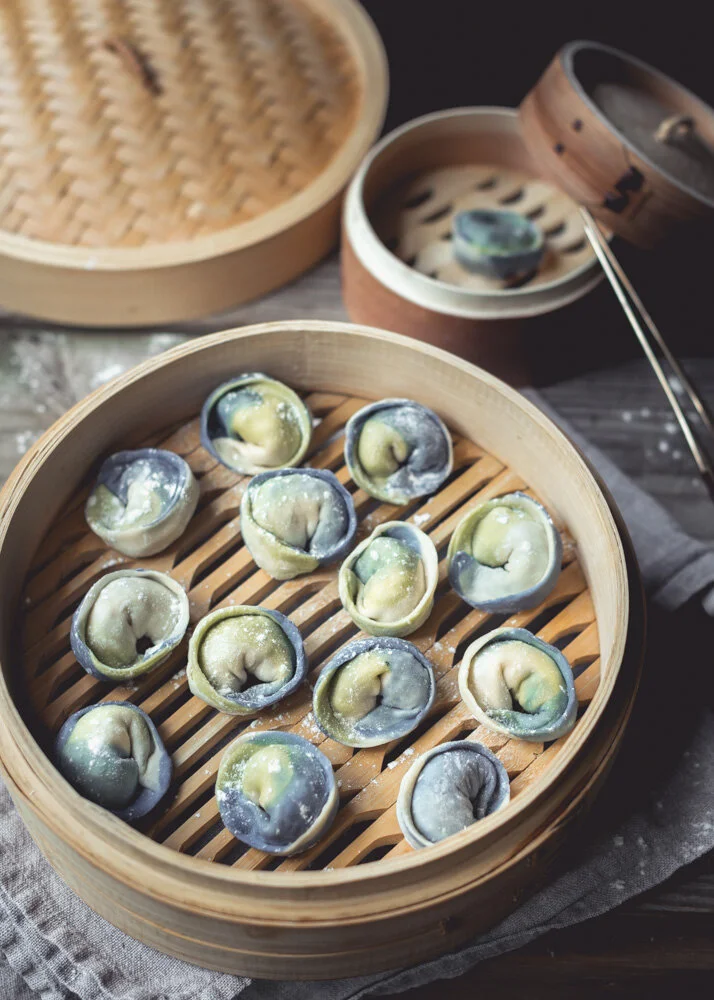
Compounding the chemical exposure is an acute physical danger: a catastrophic choking hazard alert. Genuine stress balls are constructed with dense inner foams and high-tensile coatings designed to withstand thousands of high-pressure squeezes. Counterfeit tie dye dumplings, by contrast, rely on micro-thin outer membranes filled with water, flour slurries, or liquid chemical gels. When subjected to moderate pressure from a child's hands or teeth, the casings rupture instantly. The resulting detritus creates small, sticky fragments capable of blocking an infant's airway in seconds.

