The financial mechanics behind store credit cards rarely change in a vacuum. During the summer of 2026, financial filings revealed that Tractor Supply experienced a dip in comparable-store sales, driven by sluggish demand across core hardlines and softening discretionary companion-pet sales. Equity analysts at The Motley Fool pointed out that Chewy continued carving away market share in subscription pet food delivery, forcing traditional farm stores to reinforce customer loyalty among high-value lifestyle farmers.
At the same time, shifting trade policies added supply friction. Retailers across the country faced supply adjustments, with outlets like Patch reporting how import tariffs on Chinese steel, outdoor hardware, and agricultural components squeezed merchant margins. Raising shelf prices risks alienating rural buyers. Instead, Tractor Supply deployed financing restructuring as a hedge: offer the credit line to finance $1,500 zero-turn mowers or stock tanks today, while earning reliable merchant fee margins through their lending partner.
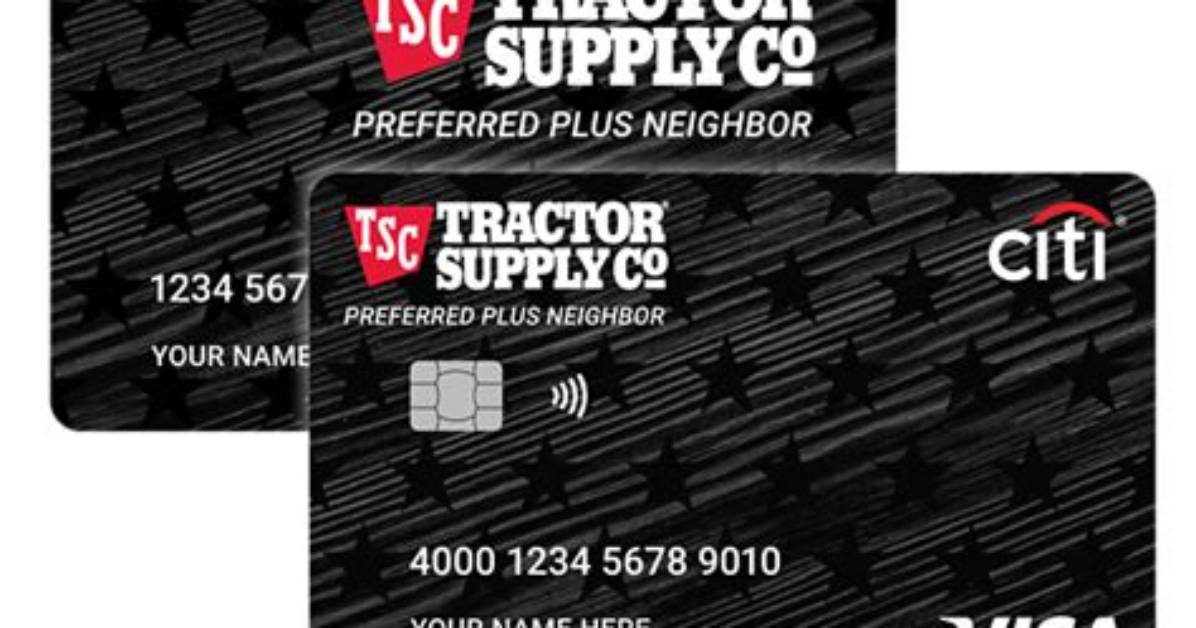
For rural shoppers, that shift cuts both ways. The TSC personal credit card functions as an accessible store-only charge account, while the Tractor Supply Visa Card allows purchases outside store walls. Yet, both vehicles now feature tighter delinquency windows, modified reward-conversion rules, and aggressive interest rate structures designed to offset rising commercial lending costs.

