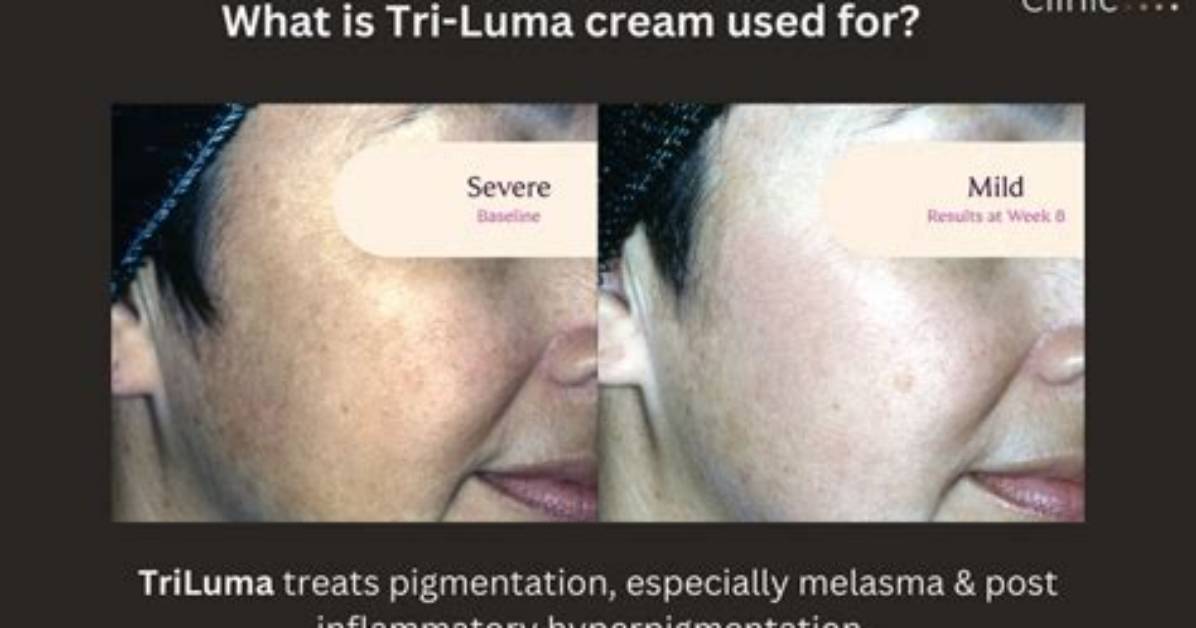
Melasma is a chronic, relapsing condition. Tri-Luma clears active pigment, but it does not alter a patient's genetic predisposition to hyperpigmentation. Once the mandatory 8 to 12-week treatment cycle concludes, patients must transition off the medication to protect their skin barrier.
Prolonged, uninterrupted topical steroid use causes epidermal atrophy, visible spider veins (telangiectasias), and perioral dermatitis. Continuous hydroquinone application past several months carries a documented risk of exogenous ochronosis, a devastating paradoxical blue-black soot-like discoloration that is virtually permanent.
During maintenance phases, clinicians transition patients to non-cytotoxic tyrosinase inhibitors, including tranexamic acid, azelaic acid (15, 20%), kojic acid, cysteamine, and topical retinoids. A growing number of dermatologists also incorporate systemic interventions. As highlighted in personal reporting from Allure tracking resistant cases, off-label low-dose oral tranexamic acid (typically 250 mg to 500 mg daily) has emerged as an indispensable tool alongside topicals, suppressing the dermal vascularity and mast-cell activity that frequently drive melasma recurrence after triple cream therapy ends.

