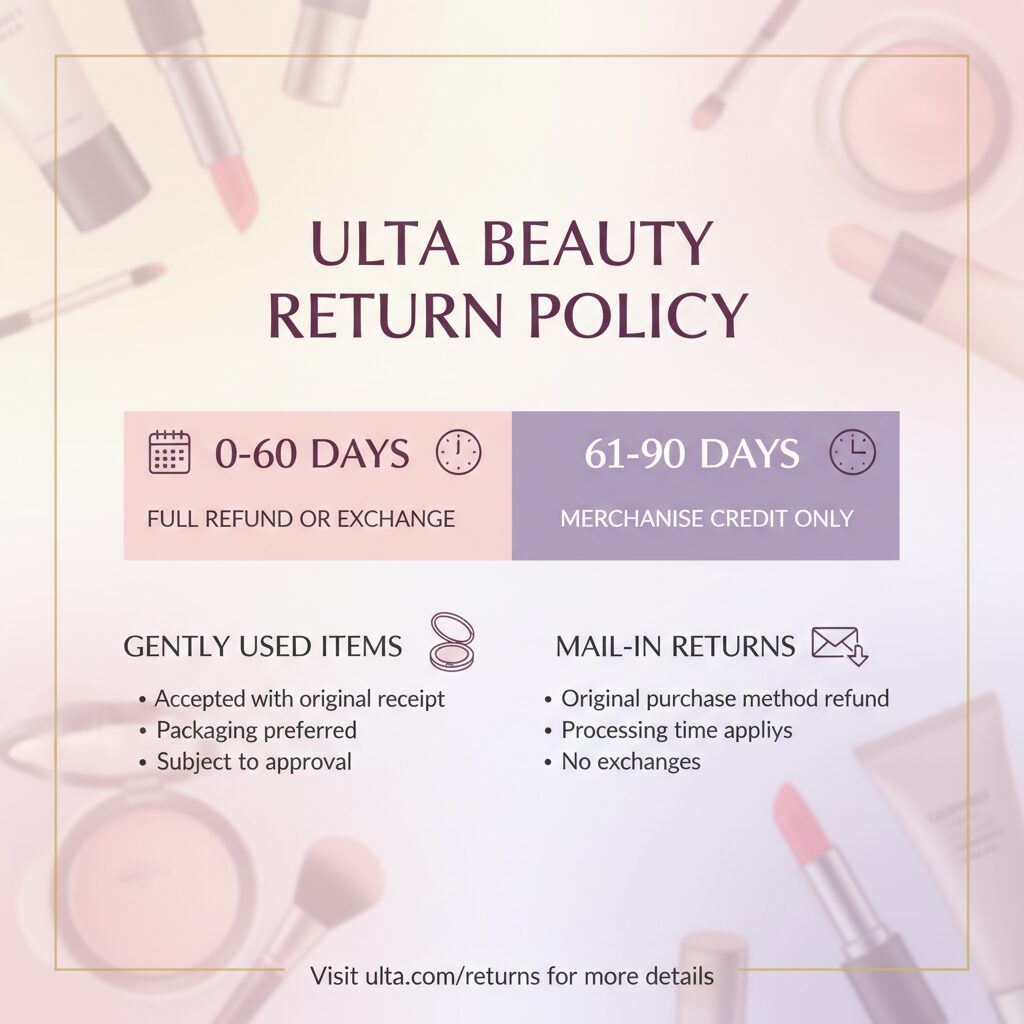
For years, beauty retailers operated under an ultra-generous exchange ethos. Shoppers routinely tested luxury skincare serums for months before returning nearly empty bottles for full refunds. That leniency cost retailers billions. Industry data from the National Retail Federation and consumer monitors shows return fraud and store-level shrinkage soared over recent financial cycles. As ConsumerAffairs reported, major chains responded by rewriting their return terms to plug inventory leaks.
Ulta found itself adjusting operations alongside rival Sephora, both working to stamp out organized retail abuse without alienating core loyalty members. Rather than banning returns on opened cosmetics entirely, management reinforced algorithmic fraud detection behind the register. Third-party systems now quietly log frequency, tracking how often individual profiles bring back opened merchandise. If you return an occasional foundation shade match that missed the mark, your account stays clean. If an account logs excessive returns against minimal kept inventory, automated flags can bar future transactions.
The financial pressure is real. Cosmetics cannot simply be wiped down and placed back on store shelves; safety laws mandate that any returned, unsealed cosmetic must be tossed into hazardous or sanitation disposal bins. Every opened lipstick return is an outright inventory loss for the retailer.

