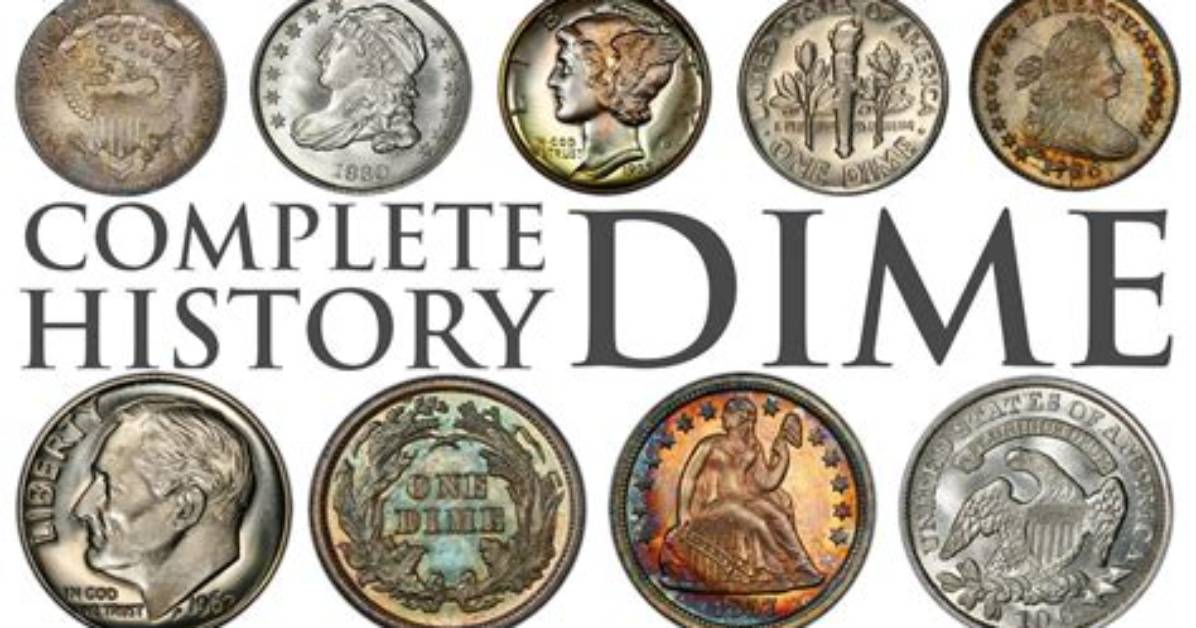
Dimensional metrics shift when analyzing historical coins. Prior to the Coinage Act of 1965, American dimes contained 90% silver and 10% copper. Because elemental silver carries a higher density (10.49 g/cm³) than elemental nickel (8.90 g/cm³) and copper (8.96 g/cm³), the physical weight of historic silver dimes differs measurably from modern production runs.
| Specification Metric | Modern Clad Dime (1965, Present) | Silver Roosevelt & Mercury (1916, 1964) |
|---|---|---|
| Diameter (Metric) | 17.91 mm | 17.91 mm |
| Diameter (Imperial) | 0.705 in | 0.705 in |
| Standard Thickness | 1.35 mm (0.053 in) | ~1.30 mm (0.051 in) |
| Official Weight | 2.268 grams (0.080 oz) | 2.500 grams (0.088 oz) |
| Metallurgical Composition | 91.67% Cu, 8.33% Ni (Clad) | 90% Ag, 10% Cu |
| Reeded Edge Count | 118 reeds | 118 reeds |
Note the slight variation in thickness and mass. Collectors sorting bulk bags use precision digital balances to separate pre-1965 coins instantly: any Roosevelt coin registering 2.50 grams or heavier contains silver, whereas a reading hovering near 2.27 grams denotes standard copper-nickel cladding.

