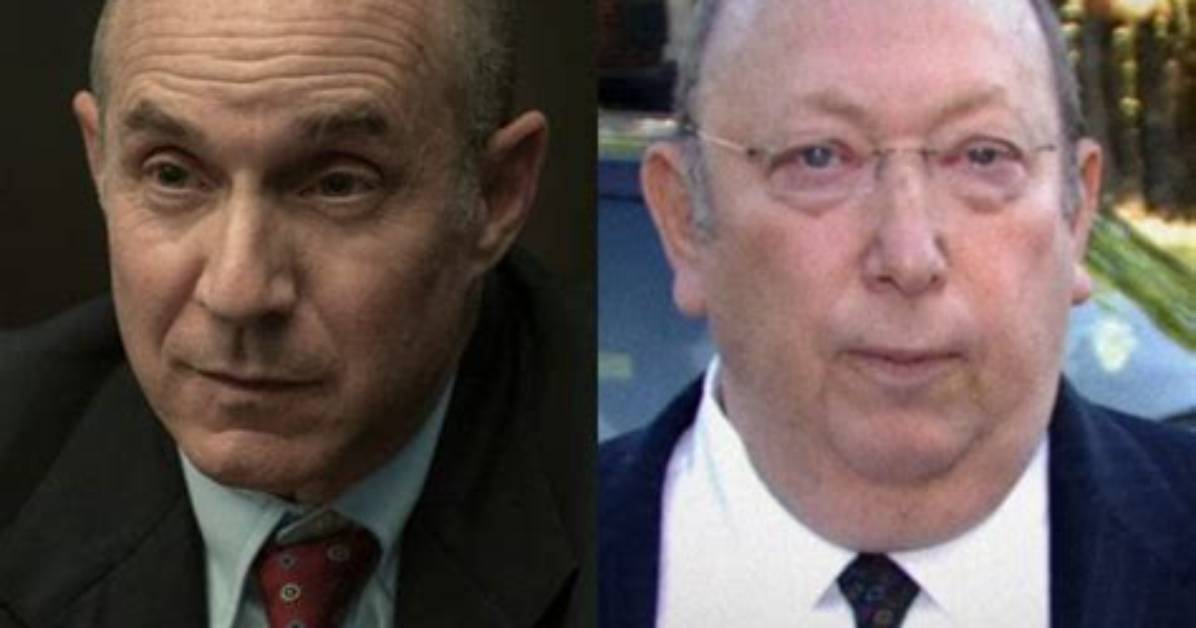
The defining institutional chapter of Udell’s career culminated in May 2007. Led by United States Attorney John Brownlee, the DOJ criminal investigation targeted Purdue Pharma for fraudulent marketing. Prosecutors alleged that the company promoted OxyContin as less addictive and less prone to abuse than competing narcotics, despite knowing that street users could easily crush the tablets to bypass the time-release barrier.
Rather than indicting members of the Sackler family directly, the Department of Justice aimed at the executive tier. Udell, alongside chief executive Michael Friedman and chief medical officer Paul Goldenheim, entered guilty pleas in federal court in Abingdon, Virginia. The three executives did not plead to felony fraud. Instead, prosecutors utilized the Park doctrine, a strict-liability legal theory under which corporate officers can be convicted of misdemeanor misbranding without individual criminal intent or knowledge of wrongdoing.
Purdue Pharma paid $600 million in total criminal and civil sanctions. Udell paid an individual penalty of $8 million, while Friedman paid $19 million and Goldenheim paid $7.5 million. All three were sentenced to 400 hours of community service and three years of probation. Udell walked out of the courtroom avoiding incarceration, yet his professional standing was irrevocably altered.

