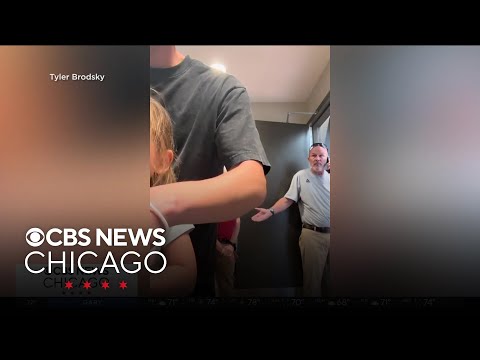
For on-demand delivery giants like DoorDash, Uber Eats, and Instacart, the incident prompted immediate damage control. DoorDash’s official contractor agreement expressly prohibits harassment, unauthorized recording, and sharing personal customer data or identifiable media online. Violating these standards results in immediate contract deactivation.
Yet deactivation serves as an after-the-fact remedy. Delivery platforms treat drivers as independent contractors, a classification that insulates tech corporations from direct vicarious liability for the intentional torts of their workers. In court filings across the country, corporate defense teams consistently argue that rogue drivers recording unauthorized content act outside the scope of their delivery contracts. This corporate separation leaves victims carrying the heavy burden of seeking compensation directly from individual, often judgment-proof workers through criminal restitution programs or state victim compensation funds.

