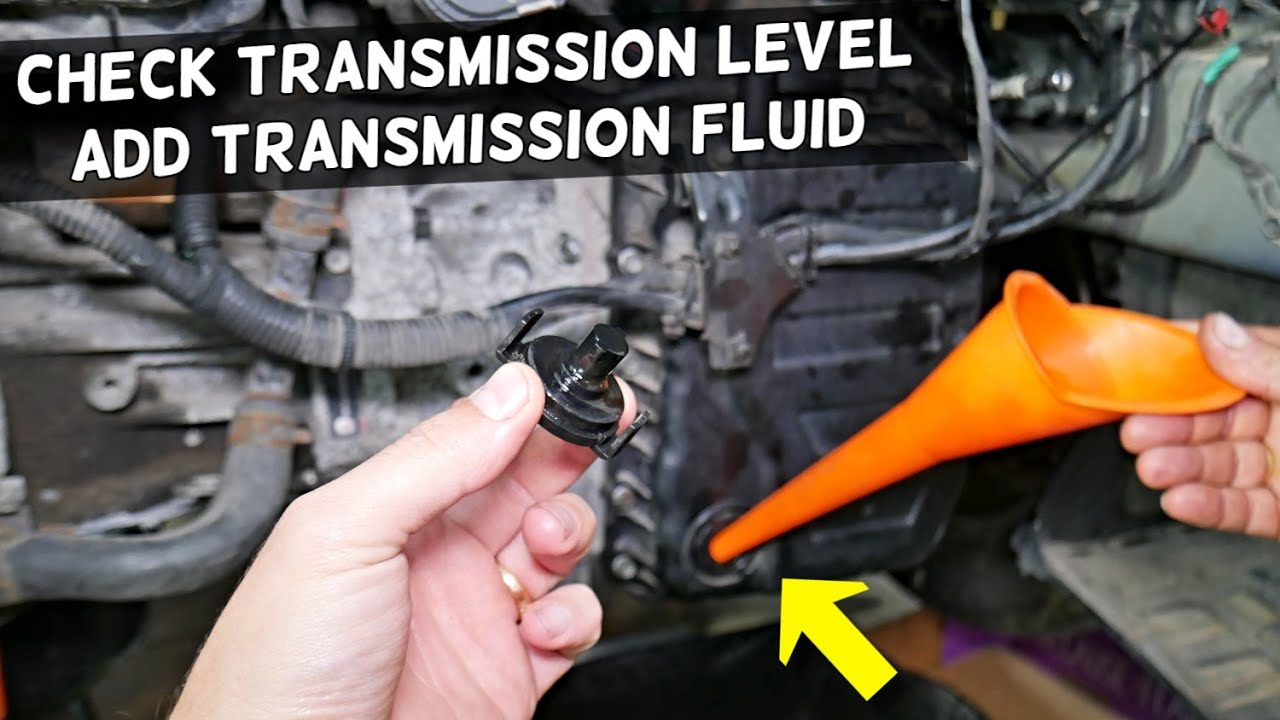
For fifty years, fluid checks followed an identical rhythm: warm the engine, pull the brightly painted ring near the firewall, wipe the blade on a shop rag, and top it off with a long-neck funnel. That workflow died with modern fuel economy mandates. To squeeze extra tenths of a mile per gallon, engineers turned to eight-, nine-, and ten-speed automatic gearboxes that demand tighter tolerances and lower fluid drag.
Automakers began sealing these systems to prevent owners from pouring off-the-shelf fluid into transmissions calibrated for ultra-low viscosity formulations. Dust and moisture entry also shortened the lifespan of early electronic solenoids. By removing the transmission dipstick tube, manufacturers eliminated a primary vapor leak path and cut warranty claims caused by improper home topping.
The tradeoff fell squarely on the consumer. The phrase "filled for life" generally translates to the life of the factory powertrain warranty, often 60,000 miles, rather than the life of the vehicle. When service intervals arrive between 45,000 and 60,000 miles, owners face steep dealer fees because routine replenishment requires lifting the entire chassis level, identifying obscured inspection ports, and pumping fluid directly into the gearbox casing from underneath.

