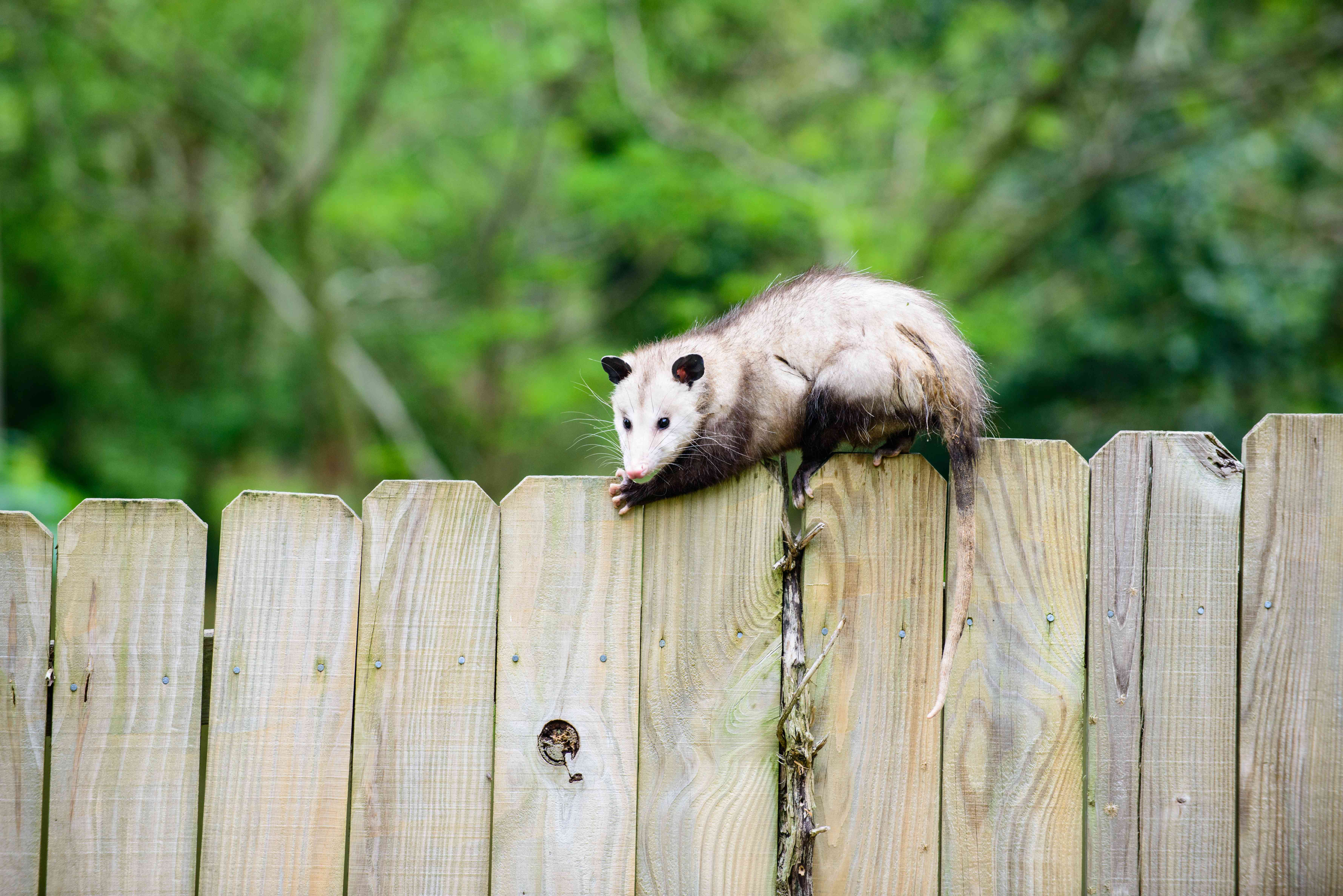
The biological distance separating these two creatures spans continents and more than 60 million years of continental drift. The Virginia opossum belongs to the order Didelphimorphia, the oldest surviving lineage of marsupials in the Western Hemisphere. Their ancestors walked the Americas when dinosaurs still roamed the Late Cretaceous landscape.
Australian possums belong to Phalangeriformes, a diverse suborder nested within Diprotodontia. They are more closely related to kangaroos, wombats, and koalas than they are to anything roaming the North American woods.
| Biological Trait | Virginia Opossum (North America) | Brushtail / Ringtail Possum (Australia) |
|---|---|---|
| Scientific Order | Didelphimorphia | Diprotodontia (Phalangeriformes) |
| Native Geographic Range | North and Central America (Costa Rica to Canada) | Australia, Tasmania, introduced to New Zealand |
| Average Adult Weight | 4, 12 lbs (1.8, 5.5 kg) | 1.8, 10 lbs (0.8, 4.5 kg) |
| Tail Structure | Naked, pinkish, scaly, fully prehensile | Bushy, furred, partial friction pad or white tip |
| Tooth Count | 50 teeth (highest of any North American land mammal) | 34, 36 teeth (fused lower front incisors) |
| Primary Defensive Tactic | Thanatosis (catatonic faint) and hissing | Tree ascent, screeching, musk secretions |
A close look at dental patterns highlights this split. The Virginia opossum carries 50 sharp teeth, including prominent canines suited for tearing through carrion, crushing beetle carapaces, and slicing through fallen fruit. Diprotodont marsupials in Australia have lower jaws dominated by two enlarged, forward-facing lower incisors designed for nipping leaves, harvesting eucalyptus shoots, and peeling tree bark.

