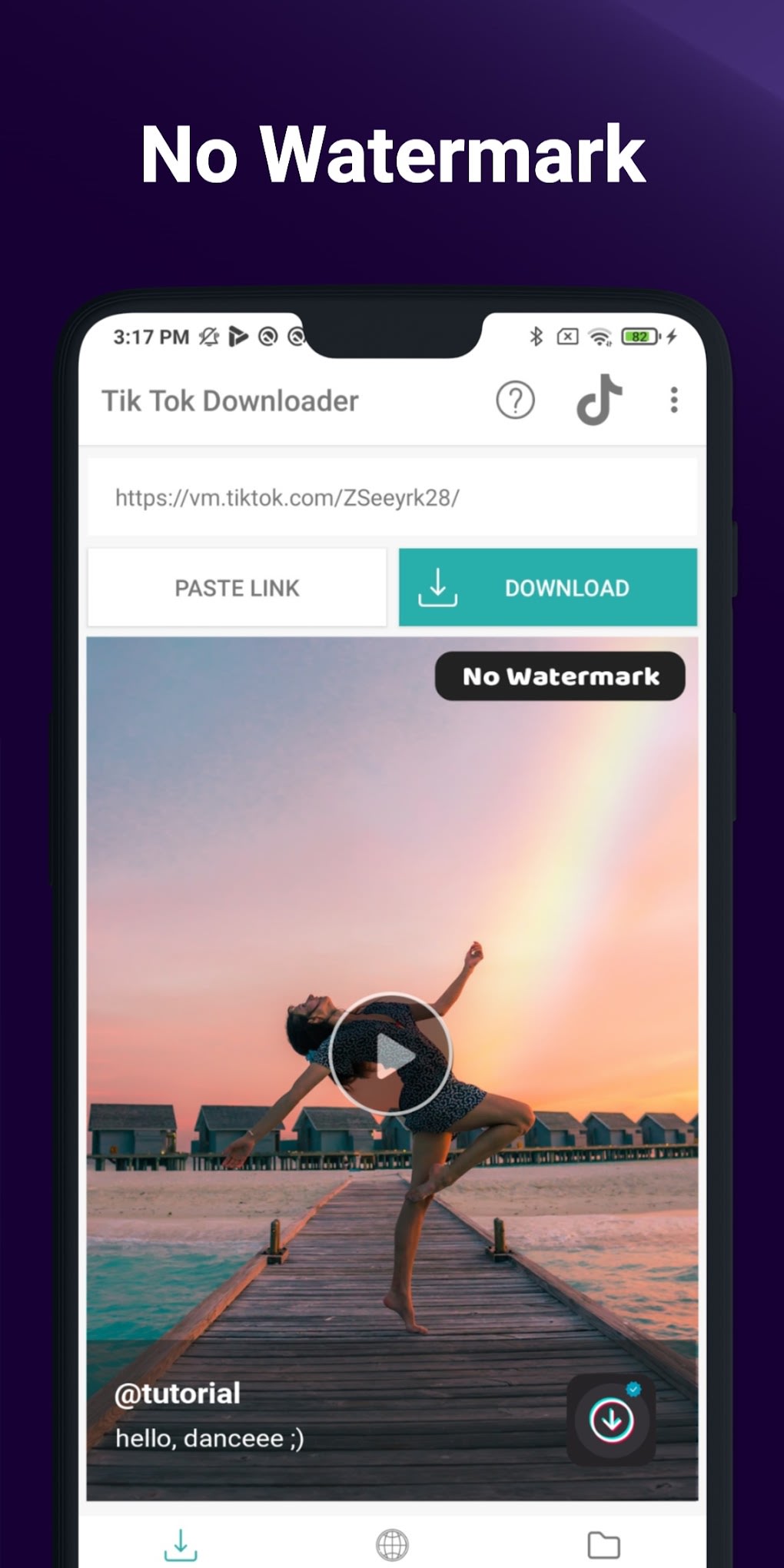
A common misconception is that a tool designed to remove TikTok watermark artifacts uses artificial intelligence or blur masks to erase the bouncing user handle. In reality, TikTok never bakes the watermark into the primary video stream stored on its media servers. The platform overlays the animated graphic locally on the user's phone right when they press the native save button.
When you copy TikTok link data from the share menu and submit it to an online scraper, the script inspects the webpage's document object model (DOM) or calls private API endpoints. It tracks down the unrendered video_id hosted on ByteDance's distribution servers, fetching the raw stream before dynamic branding is added. Because this process fetches the pre-render master, the resulting file avoids generational loss from re-encoding.
Independent tests conducted across 150 viral clips between 2024 and 2026 reveal that native exports suffer an average 32% bitrate penalty alongside the added visual clutter. By bypassing this native rendering pipeline entirely, a competent TikTok video downloader preserves the original container profile, delivering an exact replica of what the creator uploaded.

