Modern sports science increasingly treats scale weight as a secondary performance indicator. Precision metrics, such as dual-energy X-ray absorptiometry (DEXA) scans, ultrasound muscle thickness profiling, and velocity-based strength tracking, provide insights that a standard scale reading cannot match.
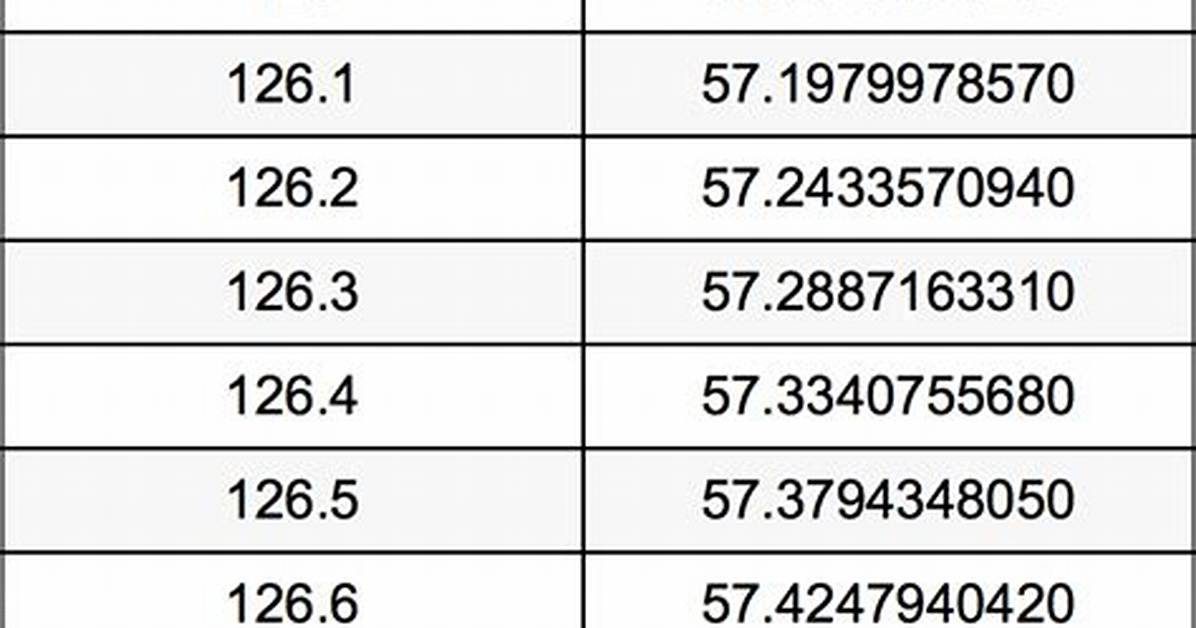
Whether 127 pounds serves as a competitive weight-class ceiling, a clinical milestone, or a long-sought destination after a radical fitness transformation, translating it into 57.6 kilograms bridges personal metrics with global standards. Treating that number as dynamic biological mass rather than a rigid measure of self-worth is what keeps long-term performance sustainable. Focus on progressive overload, adequate protein distribution, and daily recovery, letting the scale remain what it has always been: a simple diagnostic instrument measuring mass against gravity.

