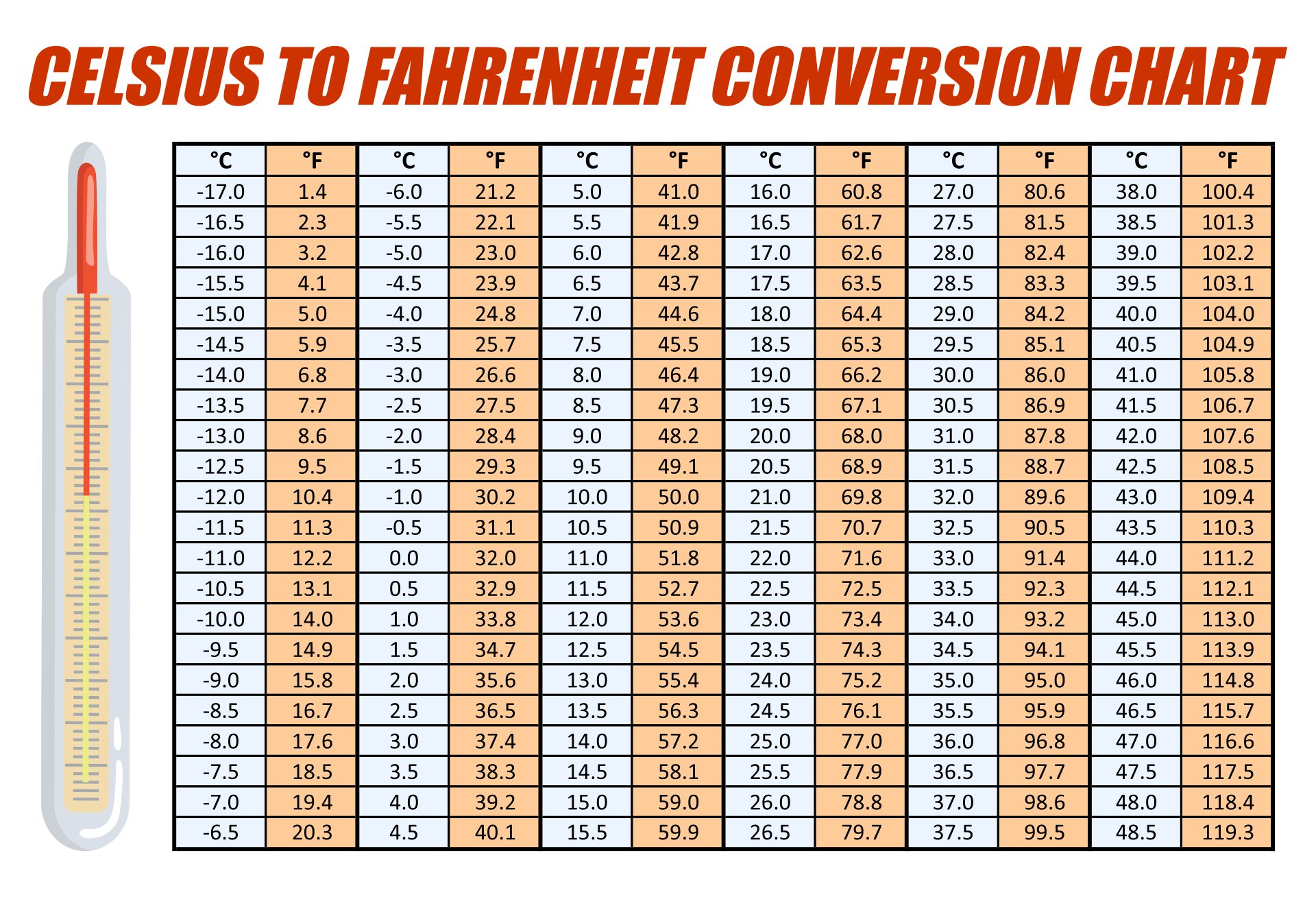
In municipal recreation and national parks, 33°C serves as an active tipping point. At this mark, park rangers see distress calls multiply across unshaded switchbacks. Hikers frequently calculate their fluid requirements based on spring baselines, packing 1 to 2 liters for outings that demand 4 to 6 liters once dry air reaches 91.4°F. Footwear soles absorb radiated pavement and rock temperatures that routinely exceed 130°F (54.4°C), accelerating systemic exhaustion.
Organized athletics mirror these protective protocols. High school athletic associations and soccer federations monitor Wet Bulb Globe Temperature (WBGT) meters during summer training camps. When ambient air hits 91.4°F under clear skies, WBGT readings almost always land in the high-orange or red bands (87°F, 89.9°F WBGT). Protocols require organizations to:
- Mandate 4-to-1 work-to-rest ratios, enforcing 15 minutes of rest in shaded areas for every 45 minutes of drills.
- Remove protective football pads and heavy helmets during non-contact conditioning.
- Postpone tournament kickoffs and marathon starts until evening hours, or cancel sessions entirely.

