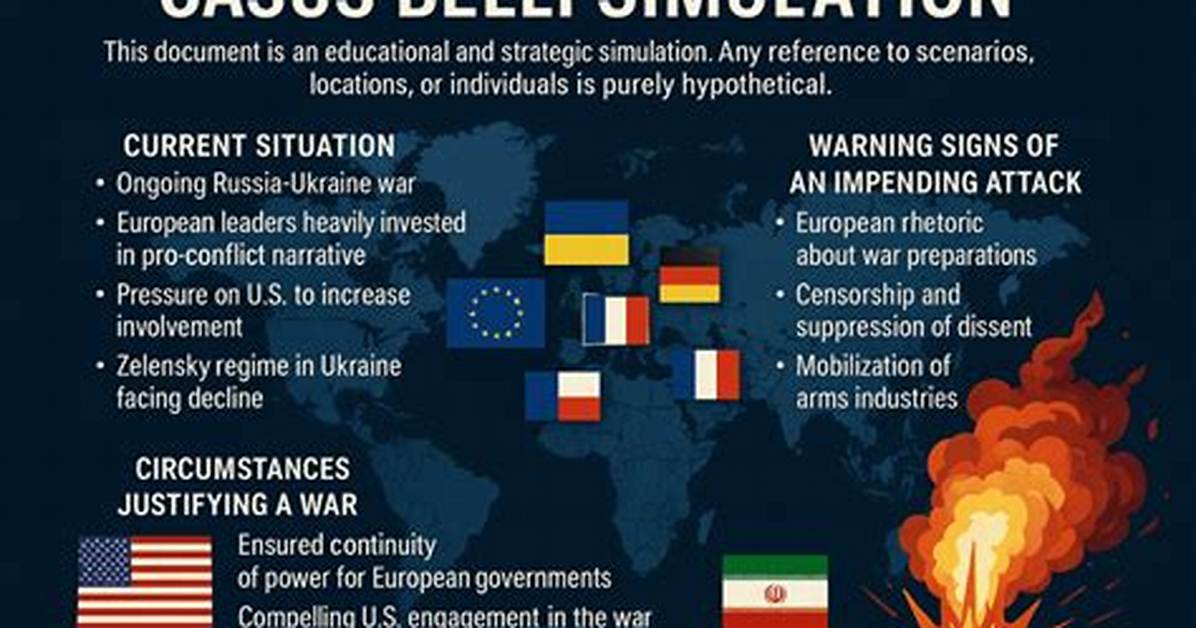
The breakdown of legal pretexts does not happen in a vacuum. It destabilizes battlefield conduct. In military doctrine, an unbridgeable wall separates jus ad bellum (the legality of entering war) from jus in bello (international humanitarian law governing conduct during war).
When a political leadership sells a false casus belli to its domestic population, that manufactured justification bleeds directly into tactical rules of engagement. If soldiers are told they face an existential or civilizational threat rather than a defined military target, discipline breaks down. Proportionality vanishes. Military intervention justified through inflated existential language routinely results in higher civilian casualties, the flattening of population centers, and systemic violations of the Geneva Conventions.
A state that violates international law to begin a war usually bends international humanitarian law to win it. The legal fiction used to justify crossing a border conditions how combatants behave once that border is breached.

