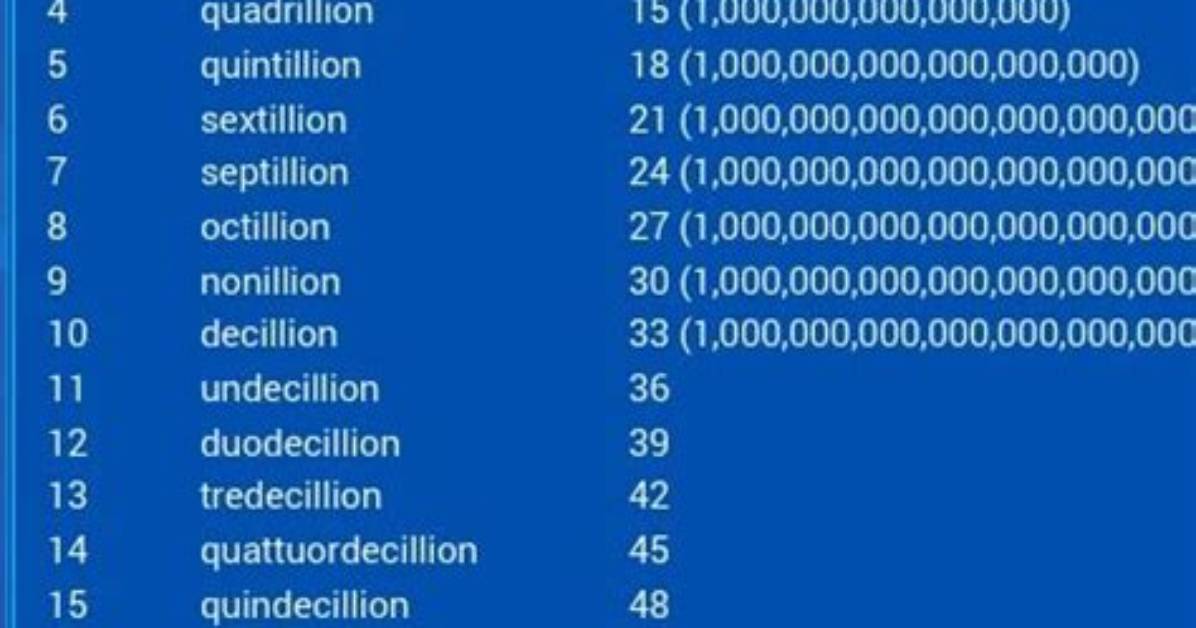
Real-world economies usually hit quadrillion, quintillion, or sextillion milestones only during severe monetary failures. Raw numeric milestones in fiat currency signify currency devaluation rather than capital growth.
During the Weimar Republic collapse in 1923, German monetary authorities printed the 100-trillion-mark banknote as workers collected wages in wheelbarrows twice daily to beat hourly retail price increases. Zimbabwe repeated the cycle in 2008, eventually printing a 100-trillion-dollar note that could barely cover a loaf of bread, before abandoning its currency entirely.
The most extreme monetary breakdown occurred in postwar Hungary in 1946. Experiencing the highest recorded hyperinflation rate in history, prices doubled every fifteen hours. The central bank moved from the standard pengő to the milpengő (one million pengő), then to the b.-pengő (one billion pengő under the long scale, or $10^{12}$). The final printed bill was the 100-million b.-pengő, representing $10^{20}$ (100 quintillion pengő). When the government finally stabilized the economy by issuing the forint on August 1, 1946, the official conversion rate was set at 400 octillion ($4 \times 10^{29}$) pengő for a single new forint. Outside of runaway printing presses, large numeric labels belong to astronomical physics, not sound economic management.

