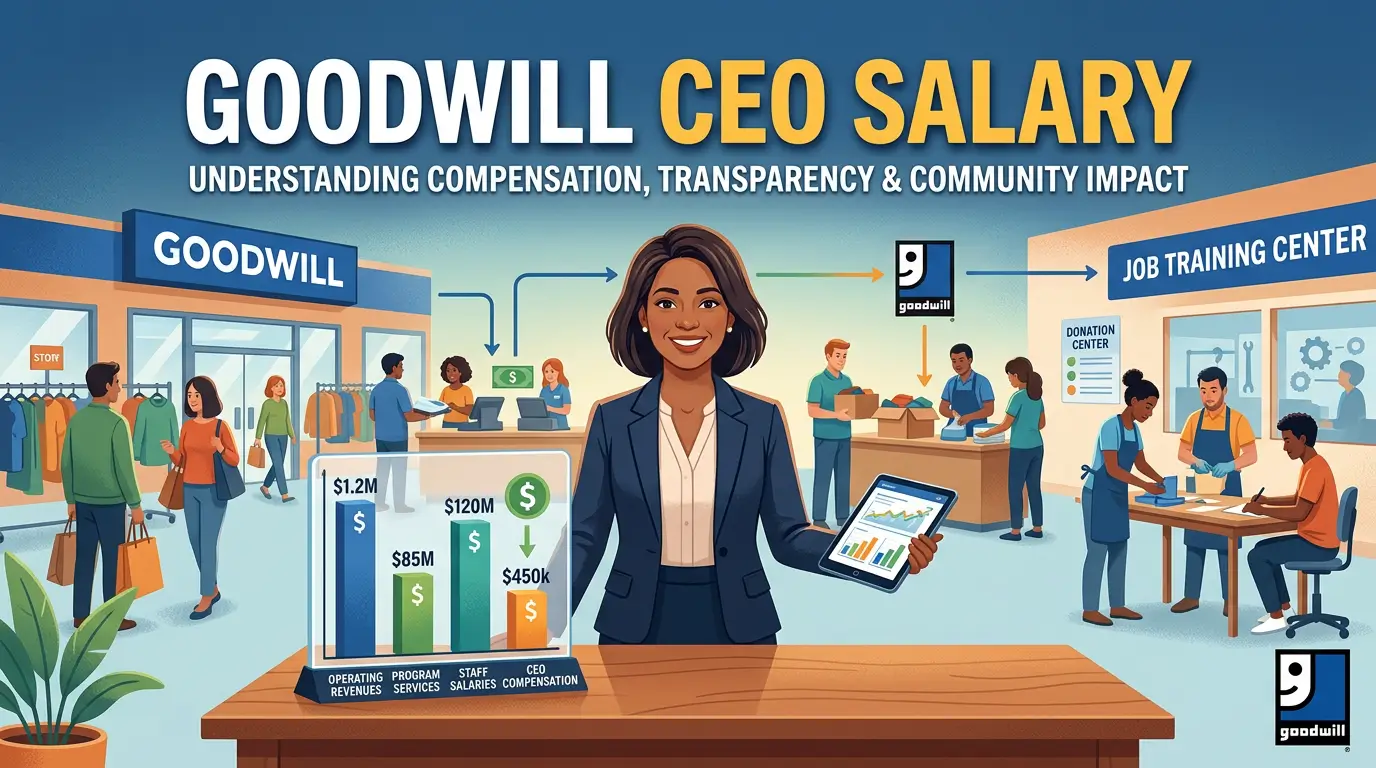
The standard benchmark for a well-run charity is its program efficiency ratio: the percentage of total expenses spent directly on core charitable missions rather than administrative overhead or fundraising campaigns. Respected watchdog evaluators like Charity Navigator and GuideStar consider an organization financially healthy when program spending clears 70%. Most Goodwill affiliates maintain a Charity Navigator transparency score placing program allocations between 82% and 89%.
Where does that money go? The core mission centers on community workforce development programs. This includes job coaching for veterans, employment assistance for citizens re-entering the workforce after incarceration, and specialized job placement for individuals with intellectual disabilities.
In recent years, Goodwill affiliates have directed significant capital into educational infrastructure. A prime example is the Goodwill Excel Center adult high school funding model, a state-accredited educational initiative that grants real high school diplomas, not general equivalency diplomas, to adults aged 21 and older. These facilities offer tuition-free instruction, on-site childcare services, and transportation subsidies. Across multiple states, retail thrift store margins cover the capital construction costs and ongoing faculty salaries required to run these tuition-free academies. The cash collected at retail cash registers functions as programmatic fuel, sustaining social infrastructure that public funding streams routinely overlook.

