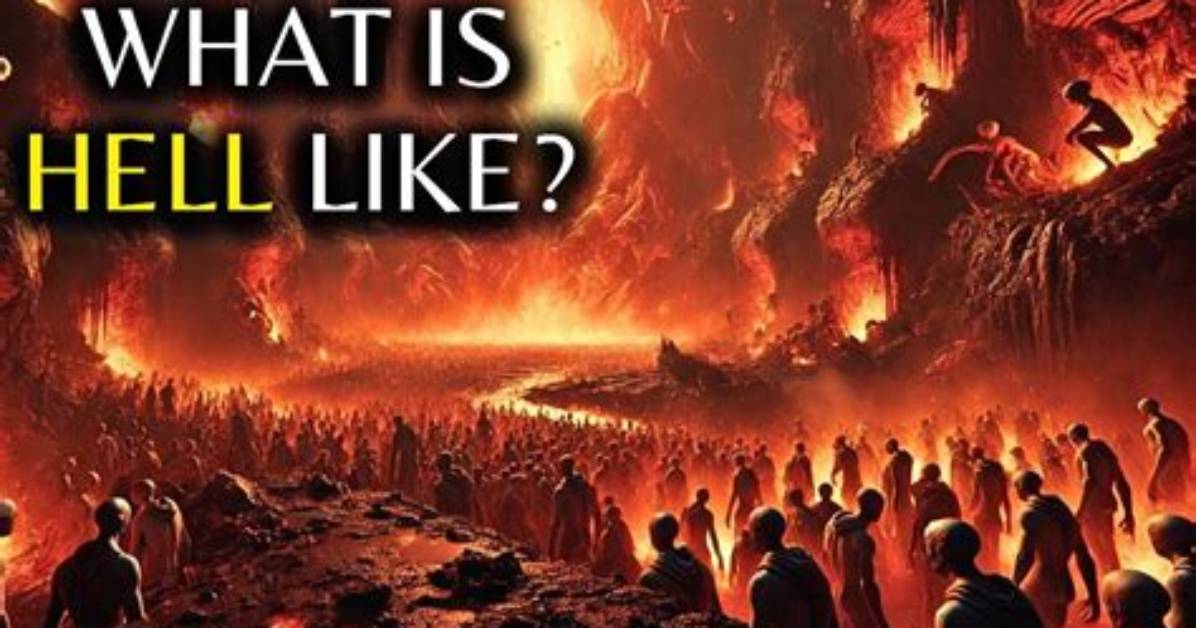
In the earliest layers of the Hebrew Bible, there is no subterranean torture chamber. Instead, the dead drifted into Sheol, an amorphous, subterranean underworld of silence, dust, and shadow. Sheol was not a punitive realm reserved for wicked souls; righteous and wicked figures alike shared the same muted, twilight existence. As noted in historical surveys by The Jerusalem Post tracing how Western culture reshaped the biblical afterlife, translators working on the 1611 King James Bible systematically blurred early theological categories by translating Sheol, the Greek realm of Hades, and the historical valley of Gehenna into one catch-all English noun: "hell."
Gehenna, however, had an actual geographical coordinate. Known as the Valley of Hinnom (Gei Hinnom), this steep ravine wrapped around the southwestern flank of ancient Jerusalem. In the eighth and seventh centuries BCE, it served as the site of pagan child sacrifices to the deity Molech. By the Second Temple era, the ravine had been transformed into an ash-choked municipal dump where city refuse, animal carcasses, and the bodies of executed criminals burned continuously with sulfur. When Jesus invoked Gehenna in the Gospels, his listeners did not picture an abstract subterranean torture facility. They pictured a smoldering, garbage-strewn canyon on the edge of town, where carrion maggots never ran out of food and fires never ceased consuming waste.

