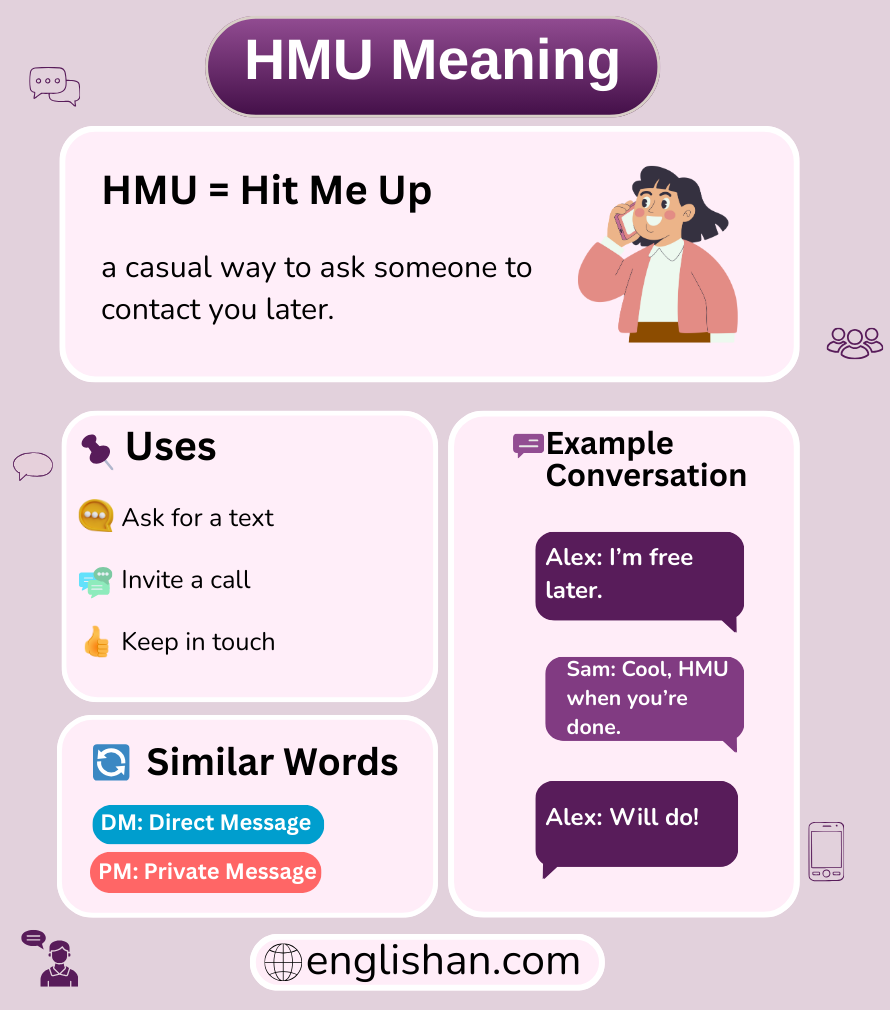
The friction around texting abbreviations intensifies when personal vernacular enters professional workspaces. Gen Z text slang, once confined to TikTok comment sections and Discord channels, now routinely surfaces in team chats and client emails. Phrases like HMU, TBH, and NGL ("Not Gonna Lie") appear alongside quarterly performance spreadsheets.
This linguistic crossover generates severe generational friction. Senior managers often view acronyms as unprofessional or outright rude, signaling that an employee cannot be bothered to craft a complete sentence. Younger workers, conversely, interpret rigid grammar and full punctuation as cold, passive-aggressive, or needlessly bureaucratic. A period at the end of a one-word text message can look like an accusation to a 22-year-old, while an unprompted "HMU" sounds wildly inappropriate to a 55-year-old department lead.
This linguistic disconnect is precisely why social media communication is seeing a marked return to explicit clarity. Companies are rewriting style guides to prohibit ambiguous abbreviations in written correspondence. In an era dominated by asynchronous communication, clarity carries more professional weight than speed.

