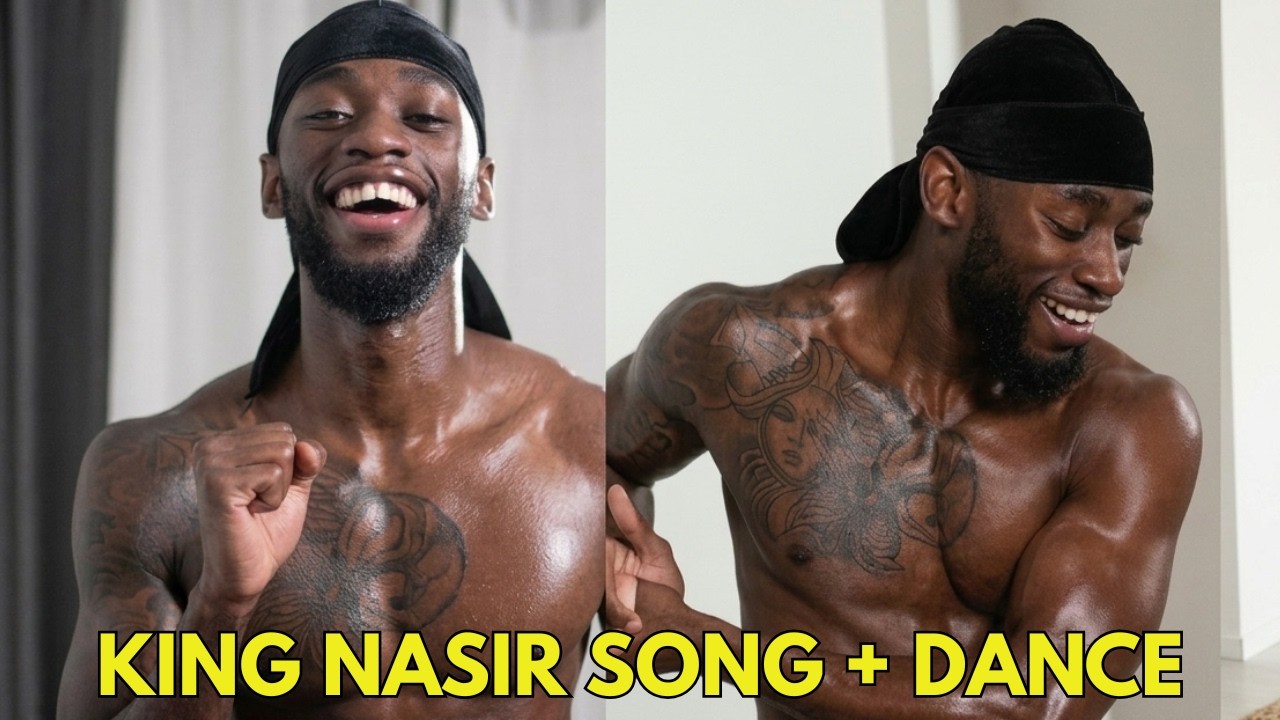
By March 2026, corporate accounts rushed into the trend. Fast-food chains, consumer software products, and gaming franchises started publishing their own versions of the template. Social media teams placed their logos on Nasir's digital wardrobe or dropped 3D mascot assets into his exact choreography path.
This phase often signals danger for an organic trend. Corporate adoption tends to dilute organic humor. Yet the King Nasir dance showed surprising durability. Part of that resilience came from the creator himself, who leaned into the notoriety, sharing remakes and engaging directly with high-profile edits.
The phenomenon highlights the strange copyright reality surrounding digital choreography. The US Supreme Court and Copyright Office have repeatedly established that short, simple dance steps and isolated gestures do not meet the threshold for copyright protection. While the original video broadcast belongs to its creator, the actual physical sequence, the dip, the roll, the sway, belongs to the commons. Anyone can mimic it, remix it, or broadcast it on a billboard without securing licensing clearance.

