Every major social network relies on automated safety systems to process billions of posts per day. Platforms program these systems using extensive blocklists designed to shield advertisers from controversial topics and prevent the spread of abusive material. When a creator uploads a video containing terms tied to violence, self-harm, or adult content, the system deprioritizes that content from recommendation feeds such as TikTok’s "For You" page.
This suppression operates invisibly. Creators call it a "shadowban." The account receives no formal notification, strike, or warning; the content simply stops reaching viewers. Because view counts and organic discovery are vital for engagement, creators invented an evasive counter-dialect known as algospeak.
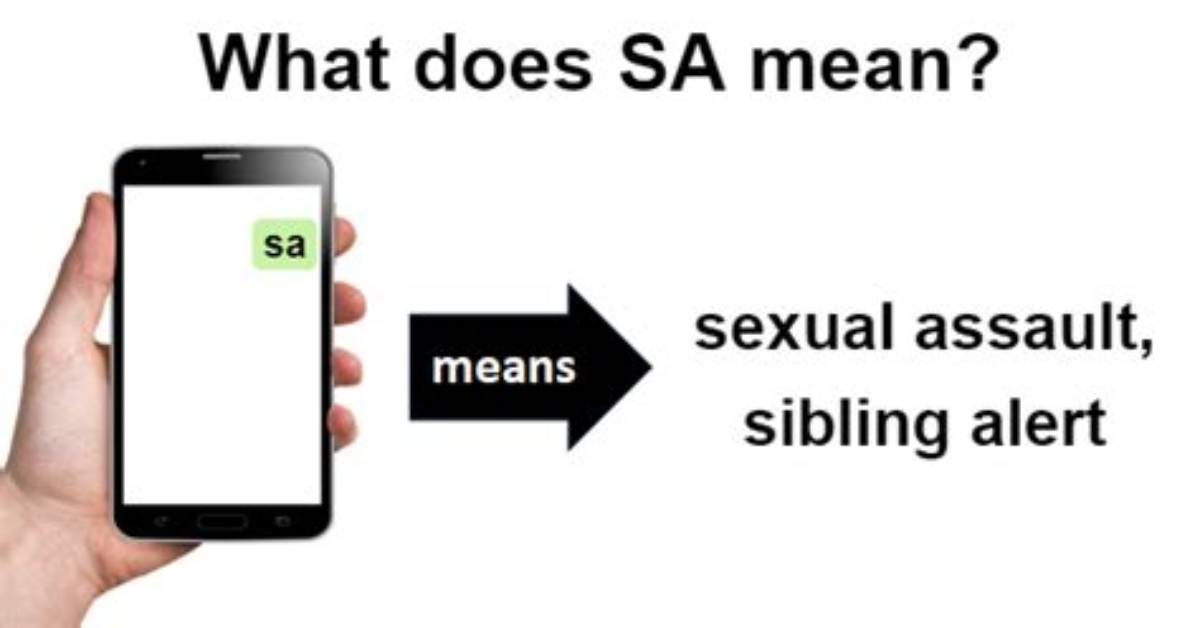
Shadowban evasion terms rely on phonetic substitutions, intentional misspellings, and acronyms. By dropping "sexual assault" in favor of "SA’d," users bypass the community guidelines filter. The audience understands the message instantly, while the classifier bot interprets the text as an innocuous or unrecognized character sequence. This creates a cat-and-mouse dynamic between Silicon Valley engineering teams updating their filtering models and digital subcultures inventing new workarounds.

