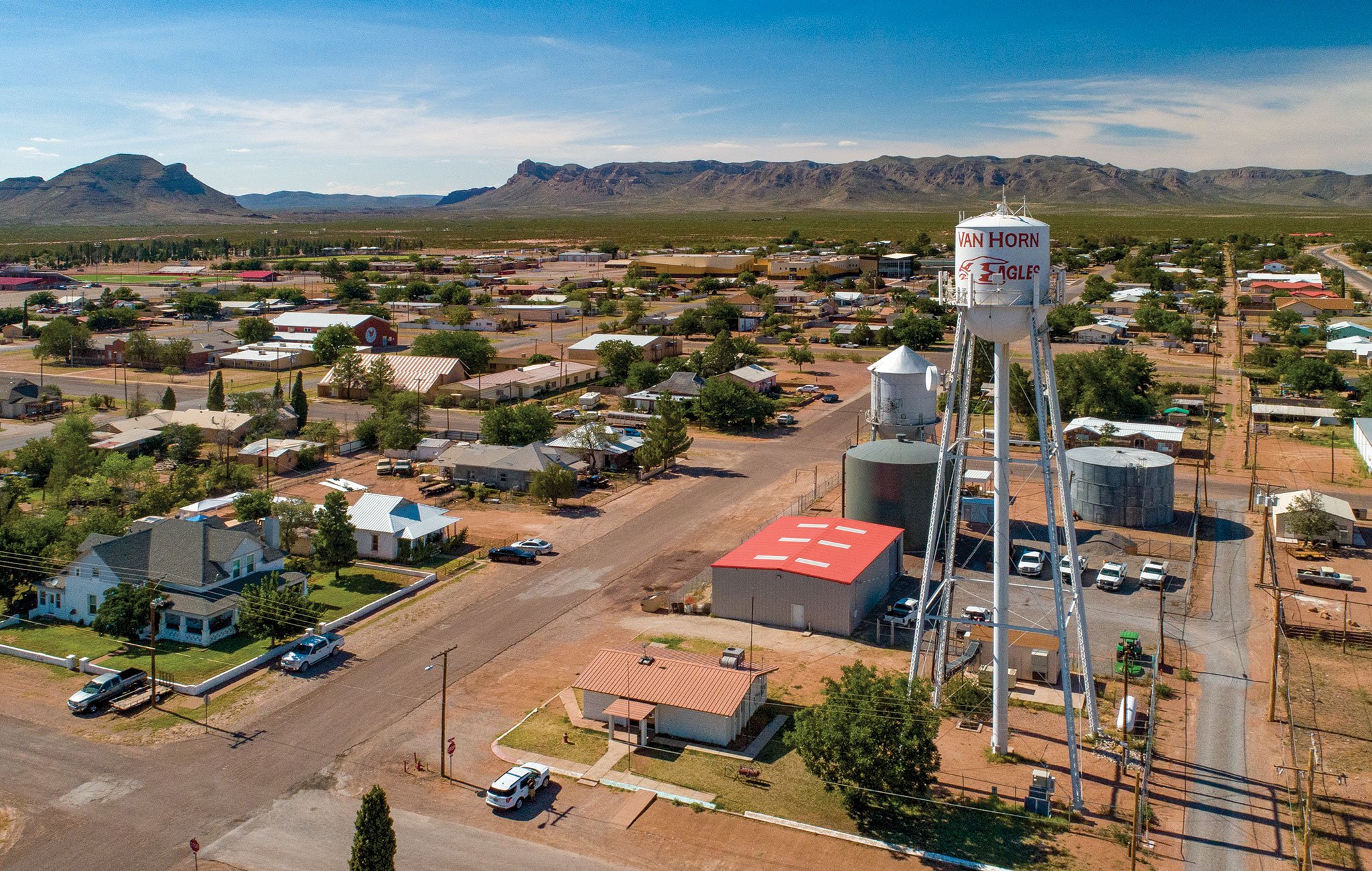
To understand how commercial spaceflight has altered municipal operations, look at property taxes and hospitality numbers rather than high-end retail development. The physical footprint of aerospace infrastructure has added substantial property value to the Culberson County tax rolls, providing funding for school district infrastructure and county services. Yet direct consumer-facing commerce tells a different story.
| Economic Sector | Highway Era Baseline (Pre-2015) | Current Era Realities (2020, 2026) |
|---|---|---|
| Hotels and Hospitality | Steady occupancy driven by freight haulers, rail crews, and national park travelers. | Sharp spikes around launch windows; corporate block-bookings push room rates up temporarily. |
| Municipal Infrastructure | Limited rural municipal tax base; reliance on state highway matching funds. | Expanded Culberson County industrial valuations funding municipal improvements and schools. |
| Main Street Retail | Traditional small-town stores, auto repair, local diners, and historic sites. | Modest uptick in curiosity travelers, though major visitor dollars bypass downtown. |
| Tourism Draw | Exclusively Guadalupe Mountains and regional West Texas pass-through traffic. | Dual draw: Eco-tourists bound for national parks alongside space flight enthusiasts. |
Hotels in Van Horn TX experience the sharpest swings. Properties like the historic Hotel El Capitan, originally built in 1930 by architect Henry Trost, see packed dining rooms and booked suites whenever launch crews mobilize. Budget motels along the interstate fill to capacity with aerospace engineers, recovery teams, and media crews during active campaigns. Once the launch window ends, occupancy quickly reverts to truck drivers and families taking the scenic route to Big Bend.

