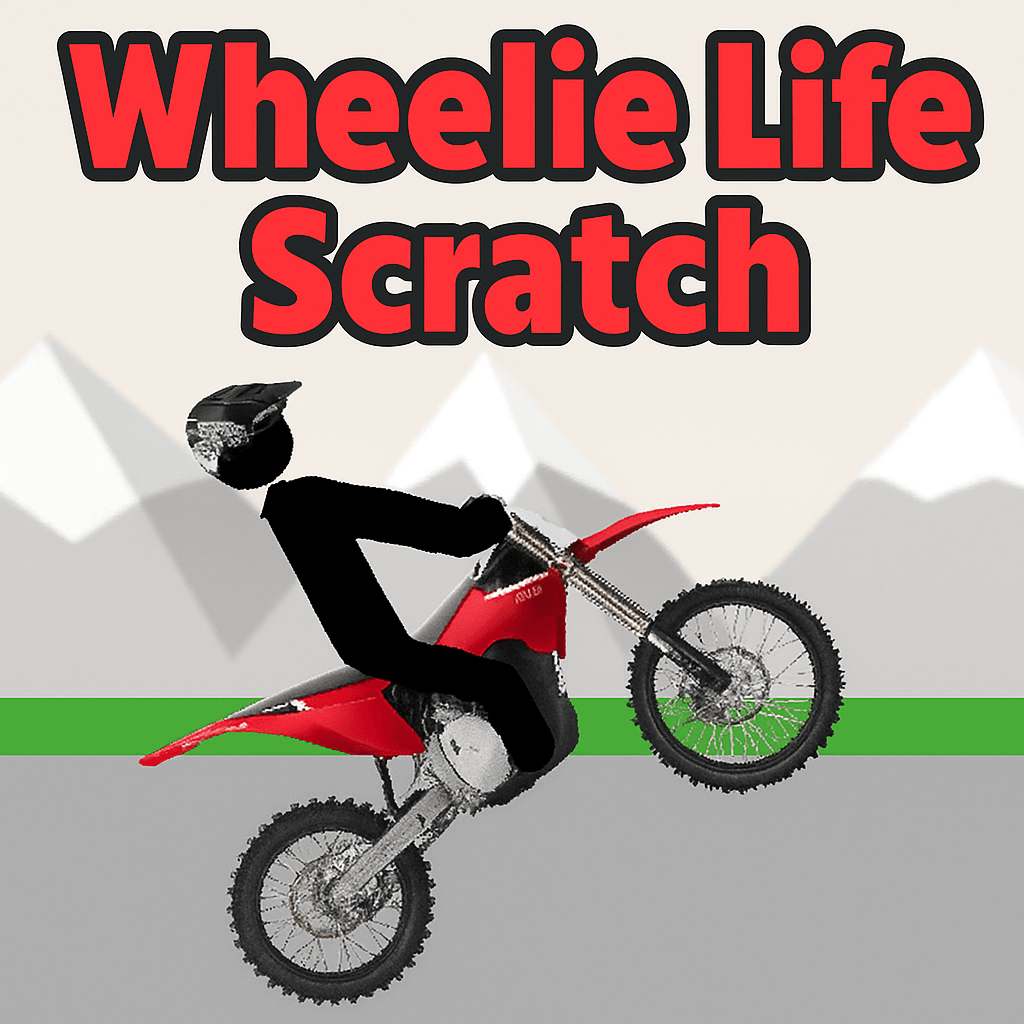
The standard Scratch web player runs on a JavaScript interpreter capped at 30 frames per second. For a stunt simulator requiring split-second micro-adjustments to keep a bike on balance point, 30 FPS produces noticeable input lag. A single missed frame often causes the rear fender to strike the asphalt before the player can tap the brake.
Community developers solved this limitation by turning to TurboWarp, an open-source client that compiles Scratch projects directly into optimized JavaScript. TurboWarp bypasses the native interpreter, unlocking silky 60 FPS playback, high-definition stage rendering, and enhanced memory allocation.
| Engine Environment | Target Framerate | Physics Polling Rate | Input Latency |
|---|---|---|---|
| Official Mobile (Unity) | 60, 120 FPS | 50 Hz FixedUpdate | ~8, 16 ms |
| Native MIT Scratch 3.0 | 30 FPS (Hard Cap) | 30 Hz Tick Rate | ~33, 45 ms |
| TurboWarp Compiled Port | 60 FPS (Interpolated) | 60 Hz Tick Rate | ~12, 18 ms |
This framerate optimization made the browser ports feel nearly identical to their mobile counterpart. Players running the game on sub-$200 school hardware can initiate a wheelie at 40 miles per hour, tap the spacebar to stand on the seat, and drag their hand along the pavement without stutter or missed key-presses.

