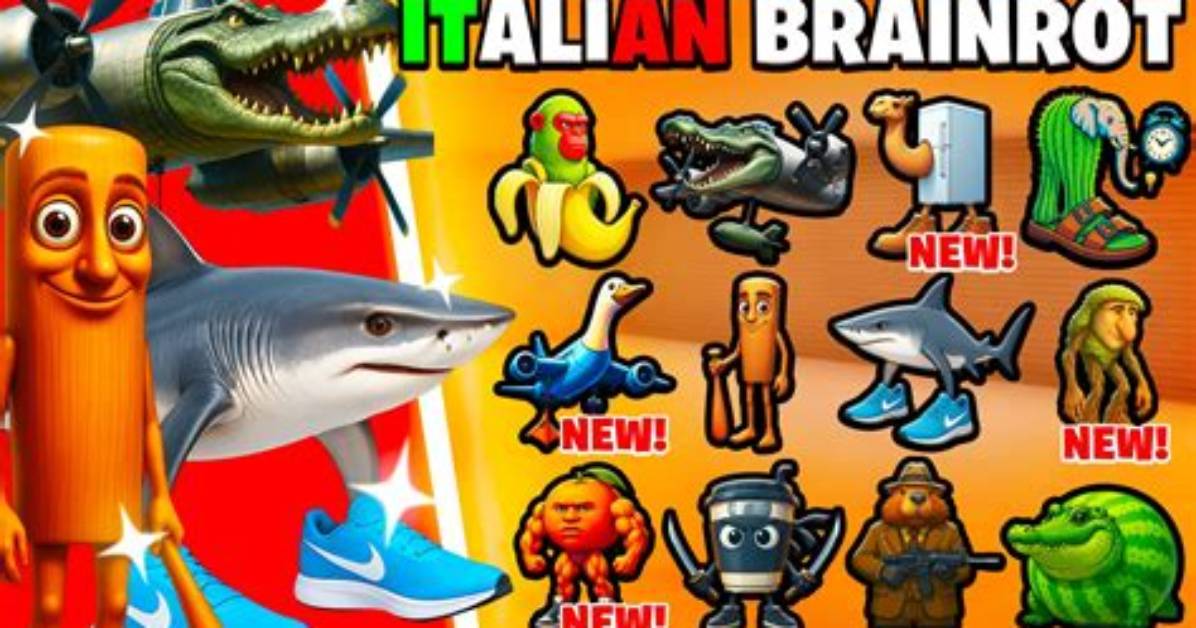
The dispute reached international prominence in late 2025 when investigative reporting from EL PAÍS English detailed how rival entities filed competing commercial claims over the core visual figures of the movement. One digital media agency in Milan attempted to claim commercial rights to an AI-generated hybrid character, while an independent creator in Spain proved they had typed the original text prompt five months prior. Neither party, however, held a traditional copyright claim under prevailing legal standards.
Under long-standing directives from the United States Copyright Office and reciprocal European patent organizations, copyright requires verifiable human authorship. An individual who simply types a four-sentence descriptive prompt into a text-to-image model does not control the resulting pixels in the eyes of the law. The algorithm determines color weighting, pixel arrangement, and spatial geometry. Consequently, the raw, unedited character renders circulating within Italian brainrot lore belong squarely to the public domain from the instant of their generation.
This nuance creates an unsettling paradox for internet monetization. A viral animator can spend weeks scripting narratives, editing pacing, and assembling synthetic clips, yet their primary visual protagonist can be freely lifted by a corporate brand, printed onto high-end streetwear, and sold across retail outlets without paying a single cent in licensing royalties.

