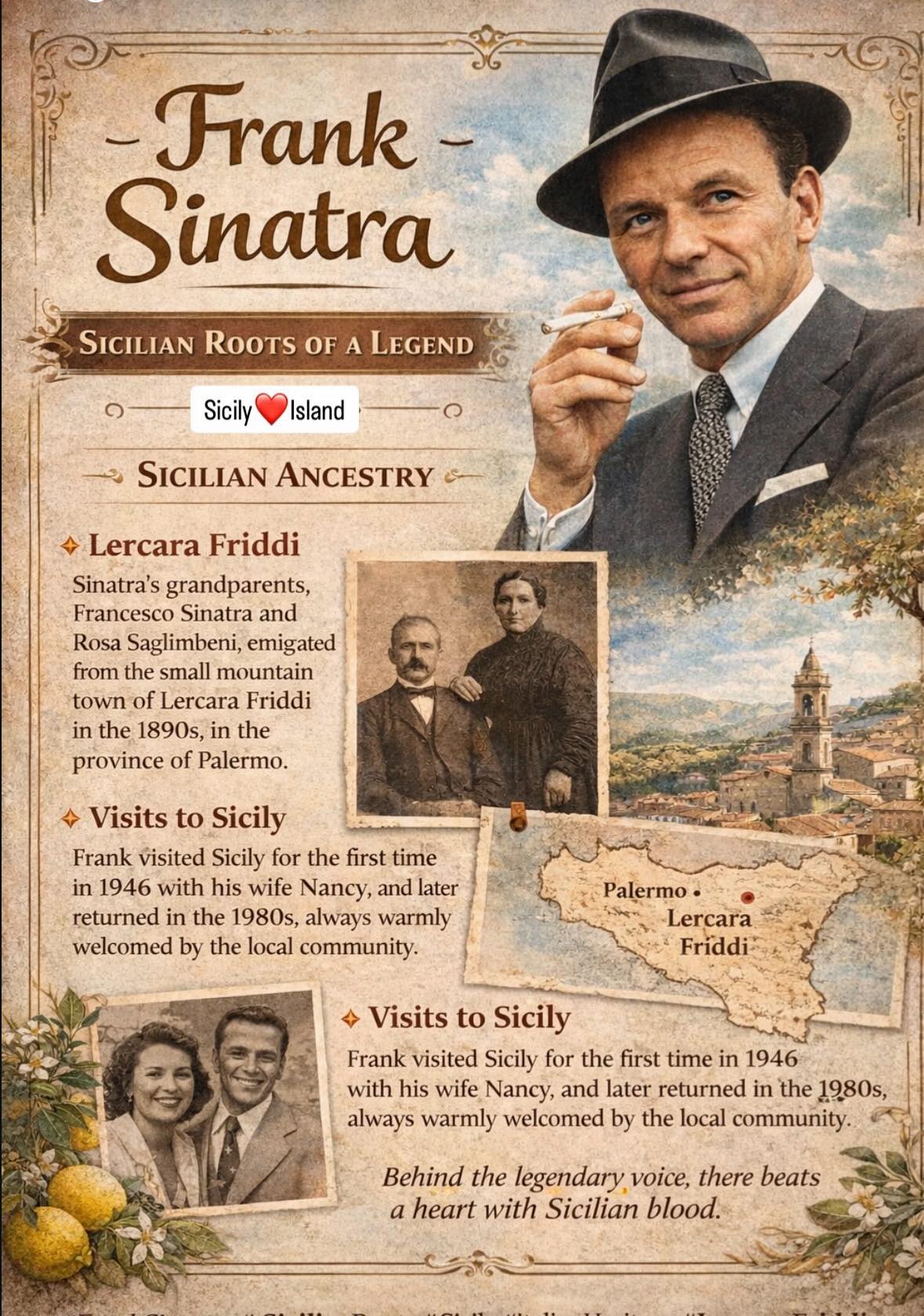
Sorting Sinatra's reality from Hollywood gossip requires separating primary historical documentation from mid-century tabloid sensationalism.
| Dimension | Common Folklore | Documented Historical Reality |
|---|---|---|
| Ancestry | Exclusively Sicilian working-class lineage | Bicultural Italian background: Sicilian father (Lercara Friddi) and Northern Italian mother (Genoa). |
| Linguistic Fluency | Fluent native speaker of Italian and Sicilian dialects | Spoke basic conversational phrases; primarily understood regional dialects without speaking them fluently. |
| Musical Tradition | Rooted in Neapolitan street singing and folk bel canto | Grounded in American jazz phrasing, Tin Pan Alley, and the vocal mechanics of Bing Crosby and Tommy Dorsey. |
| Stage Identity | Pressured into Anglicizing his surname for record sales | Refused suggestions to perform as "Frankie Satin," maintaining his ethnic surname on all billing. |
| Activism | Passive observer of immigrant political movements | Directly funded anti-bias films (e.g., The House I Live In, 1945) and fought Hollywood stereotyping. |

