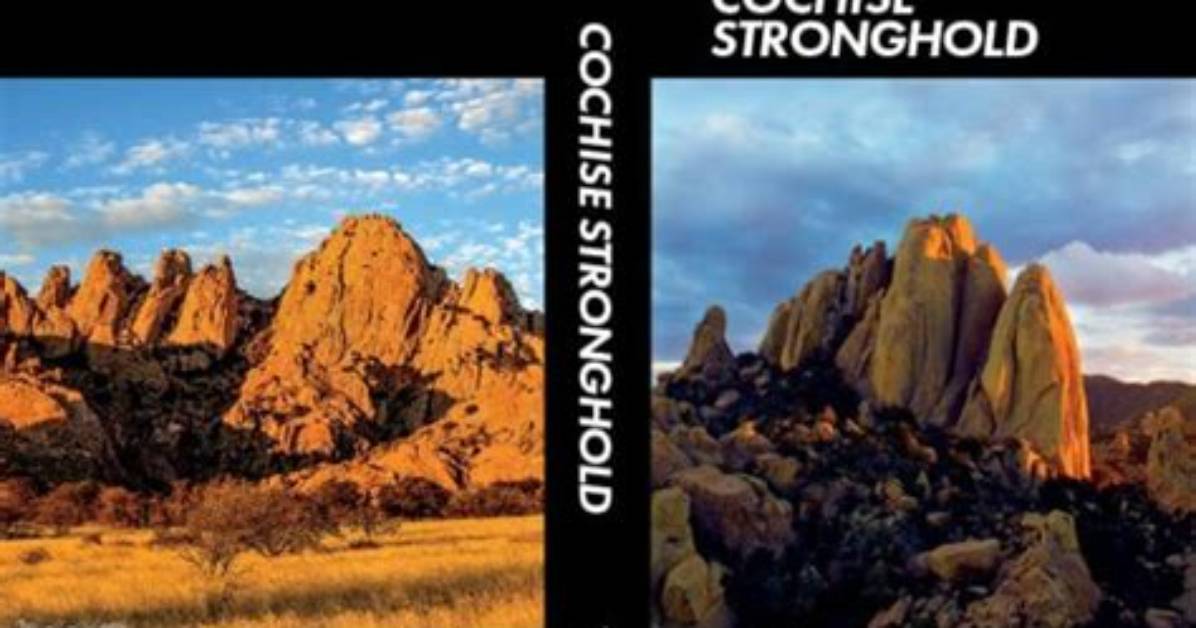
Born around 1805 in the borderlands between present-day Arizona, New Mexico, and the Mexican state of Sonora, Cochise, known among his people as Cheis, meaning "having the quality of oak", grew up under relentless pressure from Mexican military incursions. By the mid-19th century, after the Mexican-American War and the 1854 Gadsden Purchase transferred southern Arizona to the United States, Anglo-American settlers, miners, and freight operators poured across the desert.
Cochise realized early on that outright conflict with the Americans would drain his band's resources. Instead, he pursued coexistence. When the Butterfield Overland Mail began operating stagecoaches through the strategic mountain corridor of Apache Pass in 1858, Cochise struck a formal agreement with stage line superintendent Butterfield. His people supplied firewood and safe transit through the pass in exchange for trade goods, rations, and respect for their territory.
For nearly three years, coaches rattled through the Chiricahua range unmolested. Cochise worked in tandem with his father-in-law, Mangas Coloradas, the towering chief of the Bedonkohe and Chihenne bands. Together, they maintained an uneasy balance, holding back younger warriors who wanted to raid the supply wagons, while warning American authorities that their patience had limits.

