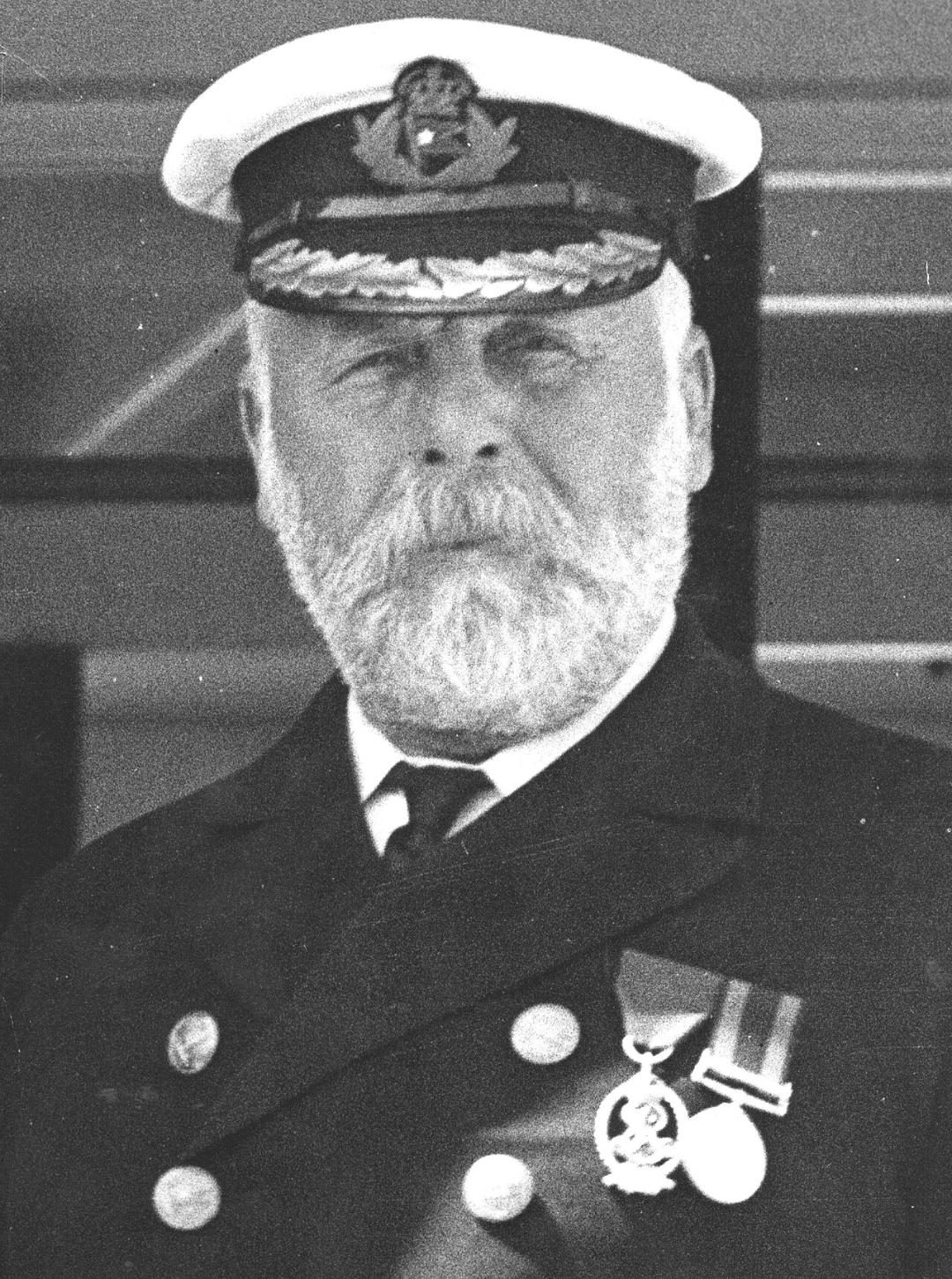
On Sunday, April 14, 1912, the Titanic received at least six wireless messages warning of ice fields along its track. Smith altered the ship's heading slightly south of the standard outbound shipping lane at 5:50 PM. However, he did not reduce speed. The vessel continued pushing westward at 22 knots through calm, moonless waters.
This decision reflected the standard operating practice of the era. North Atlantic captains regularly maintained full speed in clear conditions until ice was sighted directly by the lookouts. As Second Officer Charles Lightoller later testified during the British inquiry, slowing down prematurely was viewed by line operators as unwarranted timidity unless visibility deteriorated.
The impact occurred at 11:40 PM. Lookouts Frederick Fleet and Reginald Lee sounded the bell seconds before the starboard side scraped the berg. Smith rushed to the bridge from his quarters within thirty seconds, demanding a status report from First Officer William Murdoch. He immediately ordered the watertight doors closed, though Murdoch had already thrown the electric switch.
Smith’s subsequent actions over the next two hours combined swift disaster recognition with uneven operational execution. Accompanied by Harland & Wolff managing director Thomas Andrews, Smith inspected the lower mail rooms, squash court, and forward boiler rooms. Andrews delivered the grim structural verdict: with five compartments breached, the ship had approximately two hours before the bow pulled under.
Smith gave the order to uncover the sixteen wooden lifeboats and four Engelhardt collapsibles at 12:05 AM. Ten minutes later, he entered the Marconi radio room and instructed operators Jack Phillips and Harold Bride to transmit requests for assistance. Despite understanding the liner's imminent sinking, Smith hesitated to sound general alarms across passenger quarters, fearing that sudden panic would overwhelm the small, sixteen-man bridge crew.

