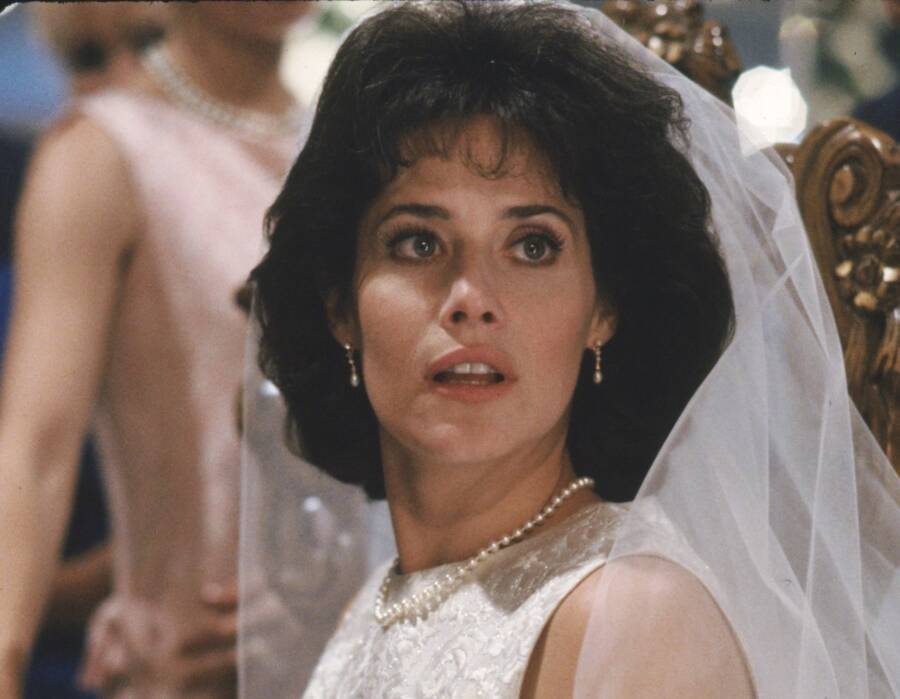
Karen Friedman did not stumble into organized crime by accident; she was drawn into it through an orchestrated encounter in 1965. Raised in the conservative, middle-class Jewish enclave of the Five Towns on Long Island, she lived a quiet life far removed from interstate truck hijackings and back-alley bookmaking. That changed when Lucchese associate Henry Hill agreed to a double date arranged by capo Paul Vario at the Villa Capra restaurant in Brooklyn. Henry initially stood her up on their second date, prompting Karen to confront him at the neighborhood cabstand. That explosive flash of defiance hooked Henry immediately.
Their courtship moved quickly. Henry showered her with stolen designer dresses, diamond wristwatches, and front-row tables at the Copacabana. When they married in North Carolina later that year, Karen hid Henry’s Italian-Irish Catholic background from her parents by claiming he was Jewish. When her mother eventually uncovered the truth, the domestic fracture was permanent. Karen stepped across an invisible cultural line into an insular subculture where money flowed in cash envelopes and sudden disappearances were standard operating procedure.
Nicholas Pileggi’s seminal 1985 biography *Wiseguy* documented Karen's candid reflections on this era. She admitted that the criminality did not repel her. It intoxicated her. Watching Henry handle street disputes, bypass velvet ropes, and intimidate local authorities gave her a proxy authority she had never experienced in suburban Long Island. She became an insider in a world strictly reserved for Italian men and their silent families.

