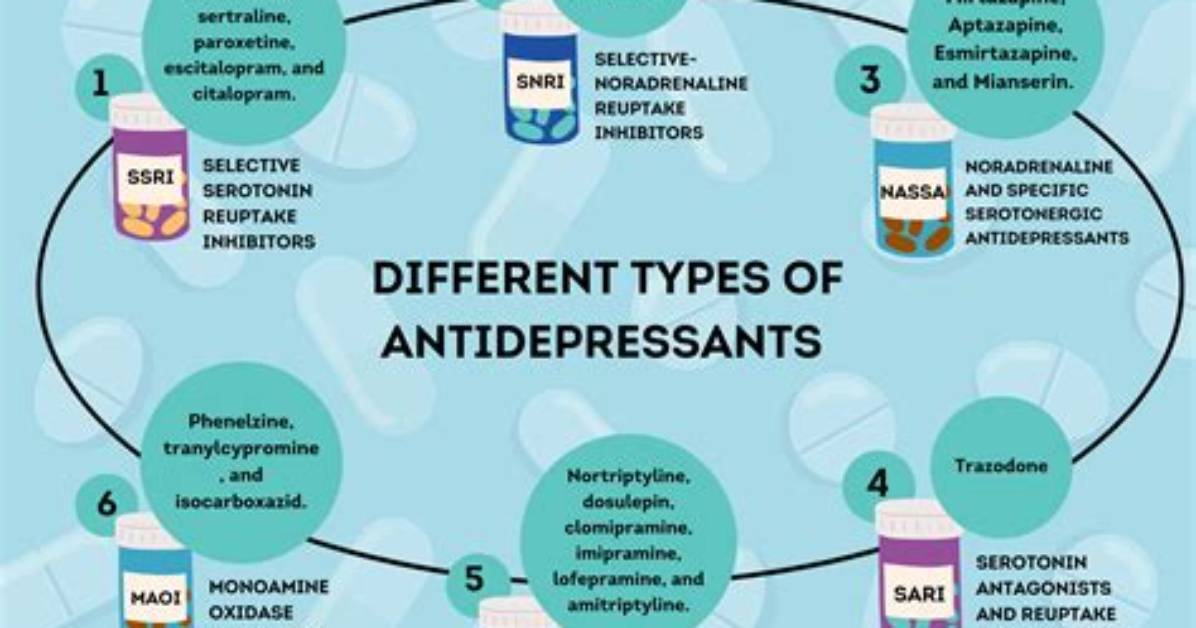
When selecting a nighttime medication, clinicians weigh addiction liability, next-day cognitive performance, and prescription control regulations. The matrix below shows how trazodone stacks up against alternatives in everyday clinical practice.
| Medication | Drug Class & DEA Status | Typical Dose for Sleep | Primary Clinical Advantage | Core Clinical Drawback |
|---|---|---|---|---|
| Trazodone | SARI Antidepressant (Non-Controlled) | 25 mg, 100 mg | Preserves deep sleep; low abuse potential | Next-day grogginess; dry mouth |
| Zolpidem (Ambien) | GABA-A Agonist / Z-Drug (Schedule IV) | 5 mg, 10 mg | Rapid sleep onset within 15, 20 minutes | Parasomnias (sleepwalking); tolerance risk |
| Temazepam (Restoril) | Benzodiazepine (Schedule IV) | 7.5 mg, 30 mg | Strong muscle relaxation and sedation | Physical dependence; cognitive blunting |
| Doxepin (Silenor) | TCA / H1 Antagonist (Non-Controlled) | 3 mg, 6 mg | Specifically targets early morning waking | Higher out-of-pocket cost; dry mouth |

