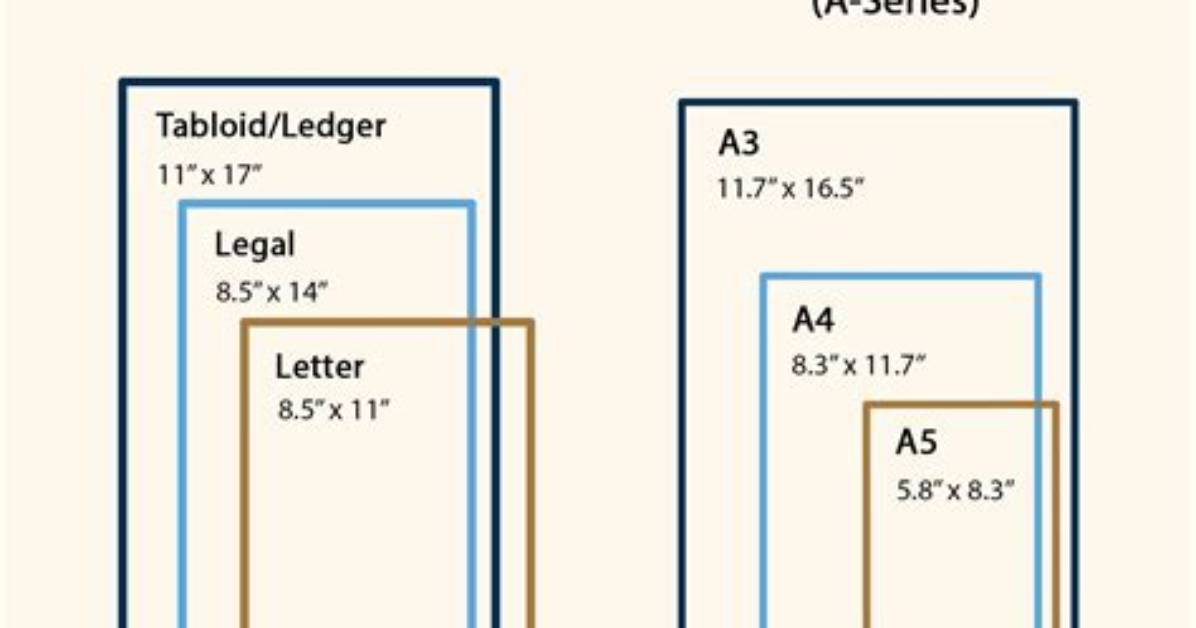
When software detects a conflict between document size and printer hardware settings, it quietly intervenes. Print dialog boxes across Adobe Acrobat, macOS Preview, and web browsers default to options labeled "Fit to Printable Area" or "Shrink Oversized Pages." Users click print without realizing the software just degraded their file.
Forcing a Letter document onto an A4 sheet alters vertical and horizontal scale independently unless constrained. If constrained, the driver applies roughly a 94% reduction to prevent the wider Letter layout from falling off the narrower A4 margins. This introduces unwanted white bands at the top and bottom of the page. Crucially, scaling raster graphics disrupts native pixel mapping. An architectural schematic or graphic design prepared at an exact print resolution DPI of 300 or 600 DPI loses 1:1 pixel grid registration. Sharp hairline borders turn soft. Vector font hinting breaks down, producing micro-aliasing along thin letterforms.
The problem turns ruinous during borderless photo printing. True borderless output relies on deliberate overspray, often called printer expansion. The print driver magnifies the image slightly beyond the physical paper limits while using a carefully calculated margin bleed setup (typically 2.0 to 3.5 mm past the physical edge). If you configure the software for Letter borderless printing but load A4 paper, the image geometry mismatches the paper profile. The printer sprays ink into the empty side gaps where the narrower A4 sheet fails to sit, ruining the print and fouling the platen.

