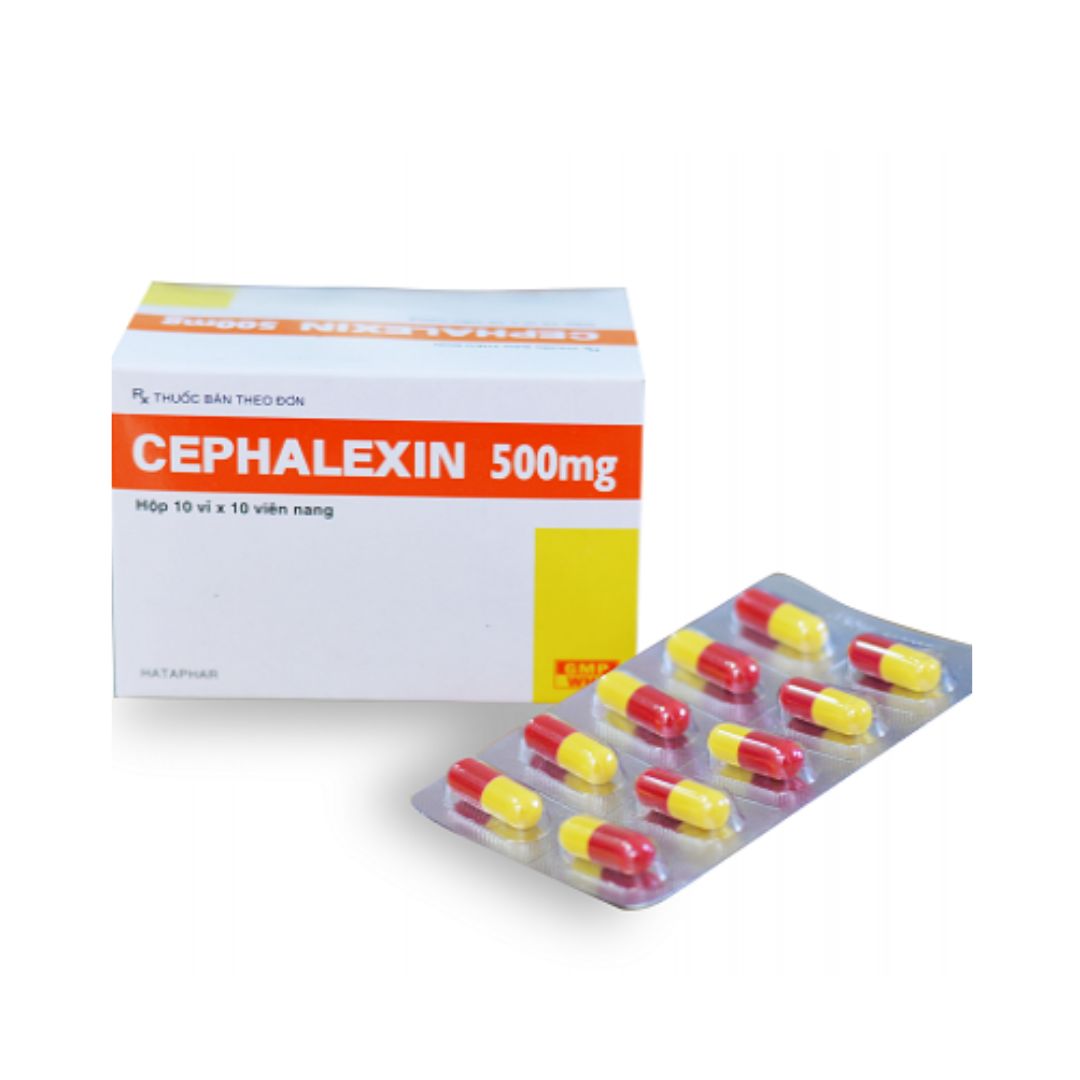
Generations of medical textbooks warned that up to 10% of penicillin-allergic patients would suffer an allergic reaction if exposed to cephalosporins. That warning has been revised. Modern pharmacological research confirms that early cross-reactivity studies in the 1970s suffered from chemical contamination: early cephalosporin batches were manufactured with traces of penicillin itself.
Contemporary immunologic reviews demonstrate that penicillin allergy cross-reactivity with cephalexin hovers between 1% and 2%. The actual risk depends on structural similarities within the drug's R1 chemical side chain. Cephalexin shares an identical side chain with ampicillin, which increases the likelihood of a shared immune response compared to later-generation cephalosporins like ceftriaxone.
Risk stratification is essential. A patient who experienced a mild childhood rash from penicillin can often take cephalexin safely under clinical observation. Conversely, individuals with a confirmed history of severe Type-I IgE-mediated reactions, such as anaphylaxis, throat swelling, bronchospasm, or toxic epidermal necrolysis, must avoid cephalexin entirely. The immune response in those rare crossovers can be catastrophic.

