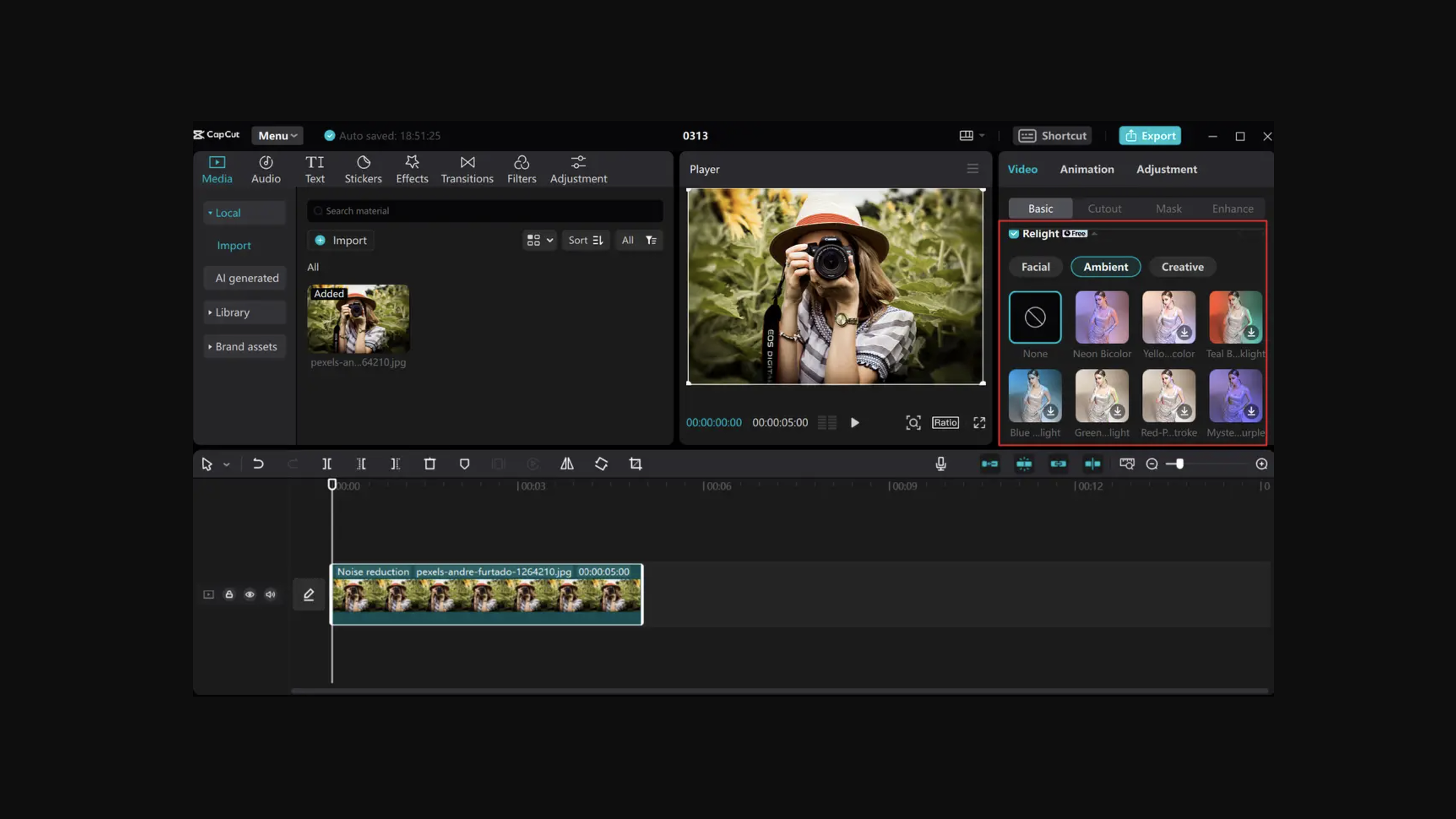
The aggressive integration has raised valid questions across developer communities and consumer rights groups. ByteDance has faced sustained regulatory pressure in Western markets regarding data governance and storage practices. Seeing Google, the owner of Android, explicitly steer consumers toward a ByteDance application has generated debate on forums like Reddit and X.
Practically speaking, the video export workflow requires significant device access permissions. Users who tap through Google’s promotional banners are asked to grant CapCut access to local storage, user media libraries, and occasionally microphone hardware for custom voiceover tracks. While power users celebrate the frictionless round-trip editing, where an edited clip exports back into Google Photos without compression artifacts, privacy-focused users question why Google won't provide an unbundled, open-source alternative.
Furthermore, monetization boundaries are blurring. CapCut operates on a freemium model, locking its premium features, high-end optical flow stabilization, and specific visual filters behind a CapCut Pro subscription ($9.99, $19.99 monthly). By nudging users toward a proprietary commercial service, Google Photos shifts from a neutral utility into an acquisition engine for a third-party subscription model.

