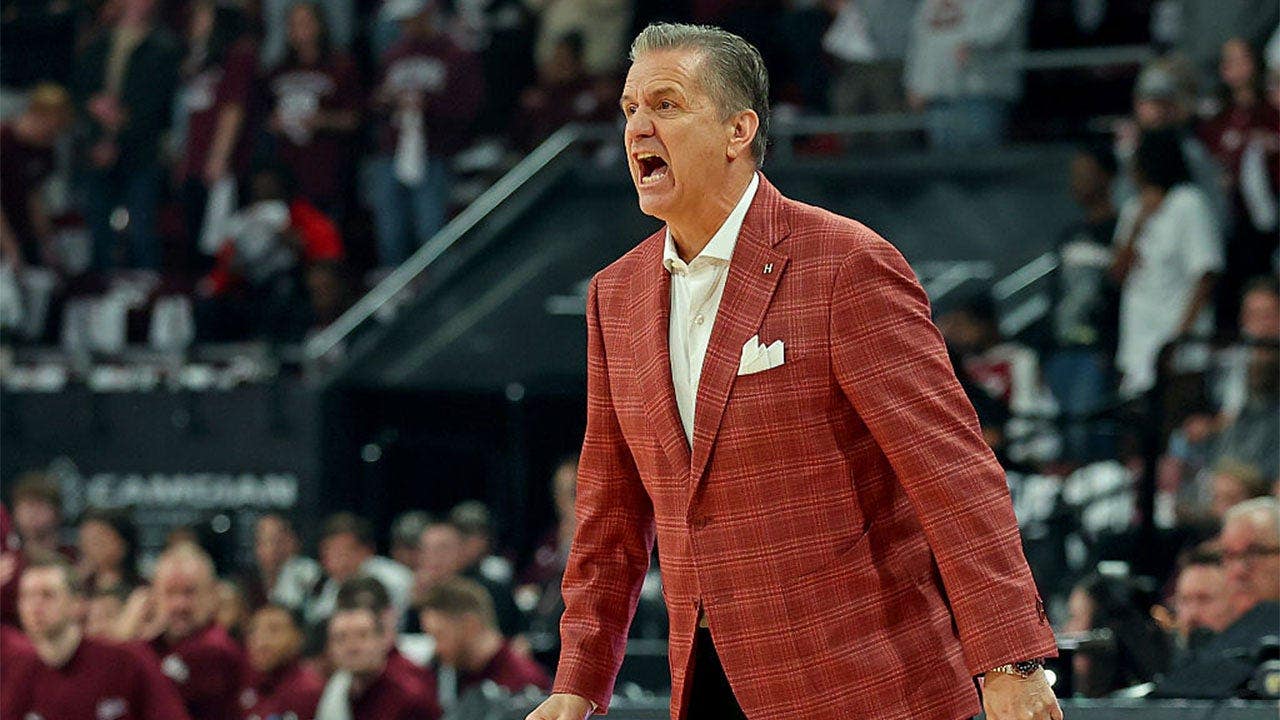
Public empathy for Calipari’s predicament evaporated almost instantly because of his extraordinary financial status. Across thirty-two seasons at Massachusetts, Memphis, Kentucky, and Arkansas, Calipari has collected roughly $125 million to $130 million in base pay, shoe endorsements, retention bonuses, and buyout clauses. When Arkansas lured him away from Lexington in 2024, the university handed him a five-year agreement starting at $7 million annually, complemented by a $1 million signing bonus and extensive private jet access.
College sports economists argue that Calipari’s compensation package was directly inflated by the absence of an open labor market for players. For four decades, television networks poured billions into NCAA tournament broadcasts. Because institutions were legally barred from paying student-athletes, athletic directors funneled those massive capital reserves into facilities arms races and executive salaries. Head coaches captured the lion’s share of that unspent player value. When an industry figure who made over $120 million under that closed system asks federal lawmakers to regulate student earnings, the request strikes labor advocates as hypocritical.
Prominent sports law figures and player representatives voiced immediate objection to the coach’s stance. Yahoo Sports and national commentators observed that Calipari never voiced public alarm when his personal contract outpaced the salaries of university professors, university presidents, or regional athletic administrators. By pointing to his assistants’ wages rather than his own $7 million base, Calipari attempted to shift focus away from his personal wealth, but the tactic backfired with fans and prospective recruits.

