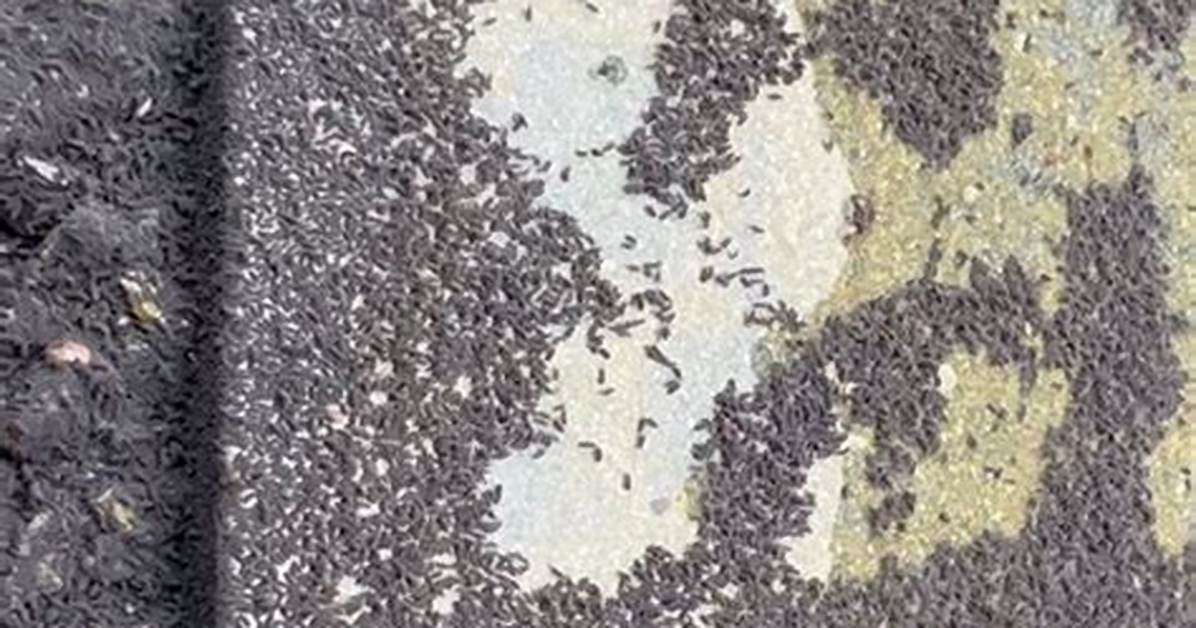
Proper remediation depends entirely on accurate indoor pest identification. A treatment that eradicates grain-infesting beetles will do nothing to deter subterranean springtails or drain-breeding dipterans. Homeowners frequently confuse harmless moisture scavengers with destructive wood-boring or fabric-eating pests.
| Pest Species | Primary Indoor Location | Average Size | Core Attractant | Physical Distinctions |
|---|---|---|---|---|
| Carpet Beetles | Baseboards, rugs, closets | 2.0, 4.0 mm | Keratin, wool, dead skin cells | Oval, hard-shelled, mottled black and yellow scales |
| Springtails | Showers, basements, moist drywall | 1.0, 2.0 mm | Mildew, damp structural wood | Elongated bodies, jump when disturbed, no wings |
| Fungus Gnats | Houseplant pots, indoor atriums | 1.5, 3.0 mm | Overwatered potting soil, fungal rot | Mosquito-like profile, weak flying patterns |
| Drain Flies | Sink traps, floor drains | 1.5, 4.5 mm | Bacterial biofilm inside pipe walls | Moth-like fuzzy wings held roof-like over body |
| Lanternfly Nymphs | Ceilings, sunrooms, window glass | 3.0, 6.0 mm | Ambient warmth, exit corridors | Glossy black with crisp white spots, fast jumpers |
| Pantry Weevils | Kitchen cupboards, grain containers | 2.5, 4.5 mm | Flour, rice, processed grains | Distinct elongated snout, cylindrical dark brown shell |

