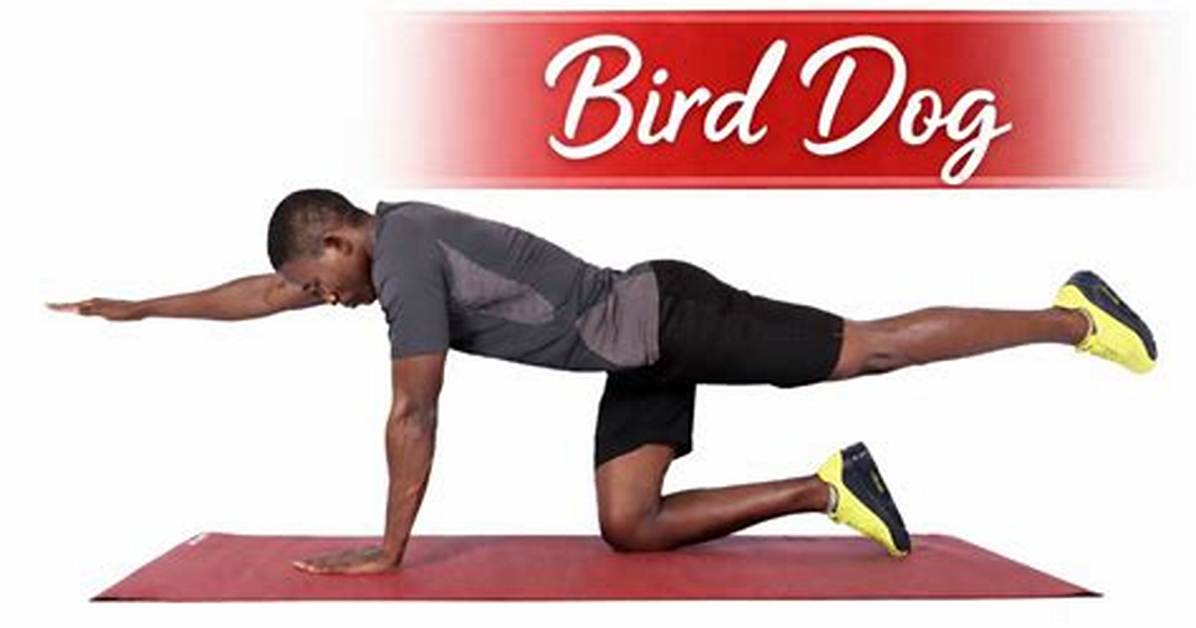
Mastering the standard floor drill unlocks several functional progressions. Once an individual can maintain a rock-solid brace for sets of 6 to 8 seconds per repetition, introducing dynamic instability challenges the nervous system without requiring external spinal loading.
One of the most effective methods involves stability ball variations. By positioning the torso over a physioball with toes and hands on the floor, the base of support shrinks, instantly amplifying the demand for rotational stability. The ball rolls under the slightest weight shift, providing instant tactile feedback if the hips tilt.
Other advanced variations include:
- Drawing an imaginary four-inch square with the extended hand and foot before returning to the floor, forcing the core to stabilize against multi-directional shifts.
- Attaching a light looped band across the moving foot and opposite hand, which sharply increases tension at terminal extension.
- Tucking the toes and hovering the knees two inches off the mat (bear crawl hold) while executing the limb reaches.
For individuals recovering from shoulder impingement or acute wrist discomfort, regressions offer equal utility. Performing the movement with hands resting on a raised bench reduces wrist extension angles. Alternatively, extending only a single leg while keeping both hands firmly planted preserves the anti-extension challenge while decreasing total rotational torque.

