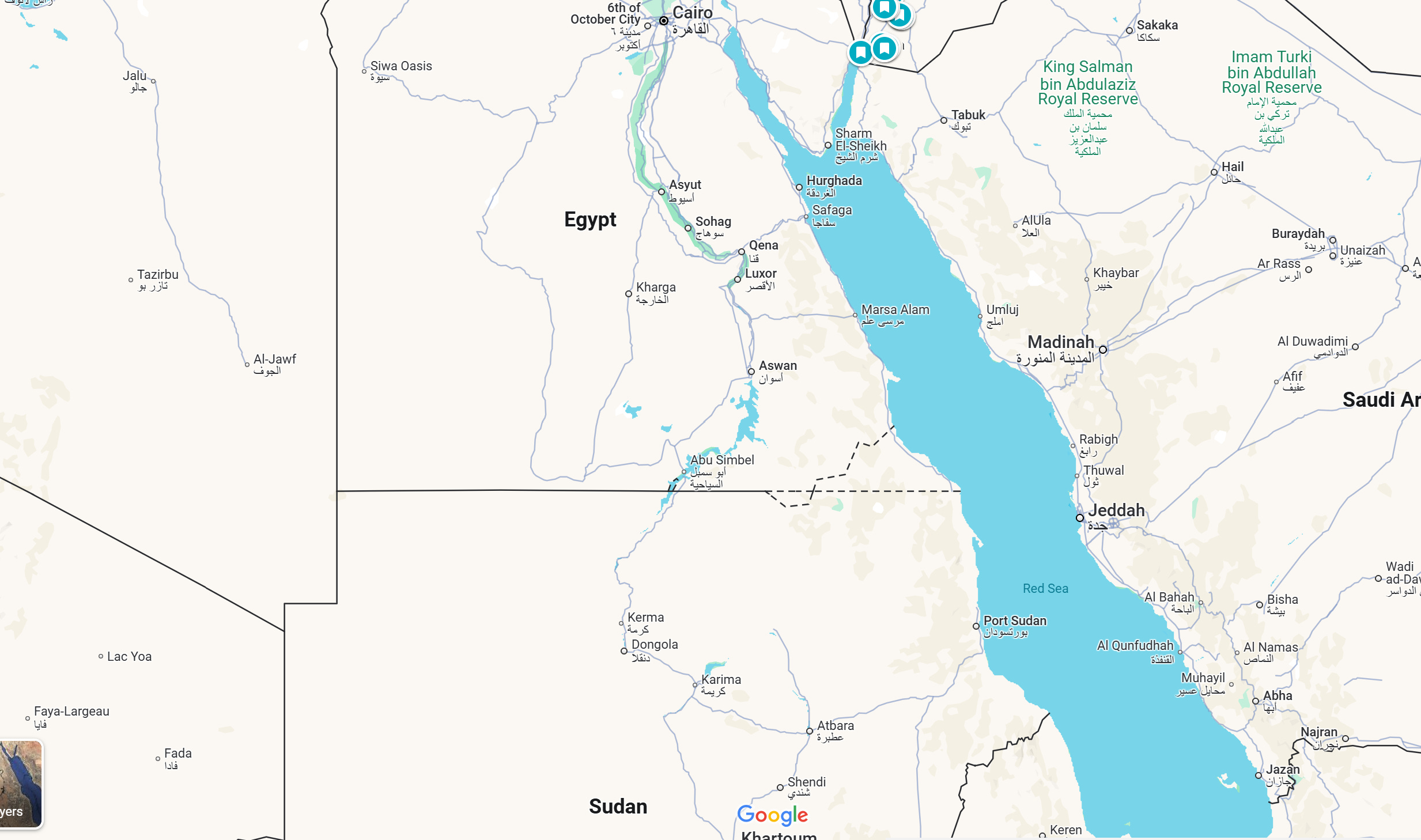
Bir Tawil’s landlocked, unclaimed status attracts recurring waves of online eccentrics and self-proclaimed monarchs. In June 2014, an American named Jeremiah Heaton traveled to the region to plant a blue flag featuring four stars and a crown, declaring the "Kingdom of North Sudan" so his seven-year-old daughter could become an actual princess. Three years later, Indian entrepreneur Suyash Dixit drove into the desert, planted seedlings, and declared the "Kingdom of Dixit."
These declarations gain brief viral traction on social networks, but they hold zero legal validity. Under the Montevideo Convention on the Rights and Duties of States (1933), an entity must satisfy four criteria to qualify as a sovereign state:
- A permanent population
- A defined territory
- A government
- The capacity to enter into relations with other states
Planting a flag and taking a photograph establishes none of these elements. Neither the Egyptian government nor the United Nations recognizes any external micronation claims over Bir Tawil. Foreign visitors who attempt to reach the area must obtain military transit permits from Egyptian interior ministries or secure transit through Sudanese tribal routes. Travelers attempting unauthorized journeys without state clearance face detention, equipment confiscation, or immediate deportation by military outposts monitoring the perimeter.

