Telephone networks route two distinct streams of data during every call setup: the Calling Party Number (CPN) and the Presentation Number. The CPN is the administrative address used by telecom switches for billing and lawful intercept routing. The Presentation Number is the data packet sent forward to light up the recipient’s screen.
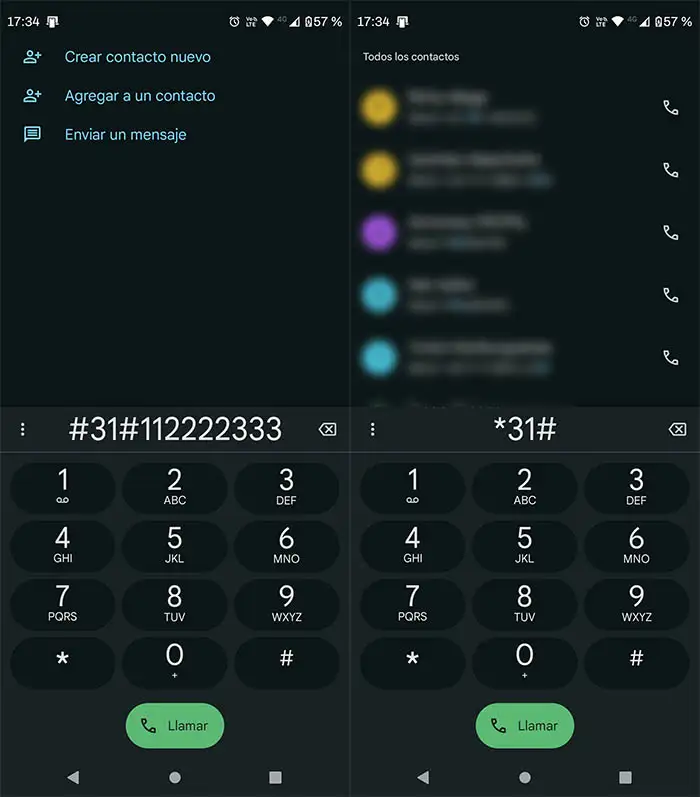
When you punch in a traditional vertical service code like *67 prefix or activate native private number settings on a handset, you are not erasing your number from the telecommunications grid. You are toggling a presentation indicator flag from "allowed" to "restricted." The originating central office switch still logs your true billing number. It simply tells the terminating carrier switch to display "Private," "Restricted," or "Anonymous" to the person answering.
This separation worked reliably on legacy analog circuits. On modern Voice over LTE (VoLTE) and Voice over New Radio (VoNR) architectures, however, that simple restriction flag collides head-on with carrier security algorithms. Modern mobile ecosystems prioritize identity verification over casual concealment.

