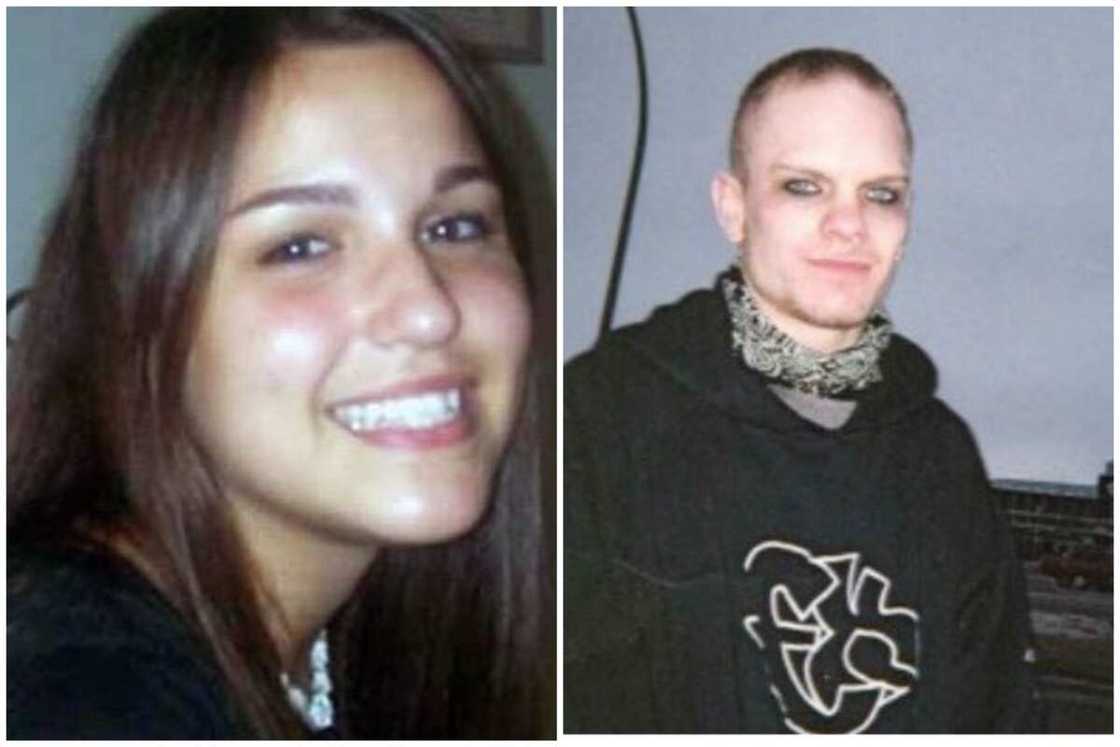
Jasmine Richardson is in her early thirties, navigating adult life as an anonymous citizen. She holds a degree, earns a living, and moves through public spaces unnoticed. The legal machine that took charge of her life at twelve executed its mandate precisely as drafted: it contained her during her youth, forced rigorous psychological intervention, and extinguished her record once the term expired.
For the surviving relatives of Marc, Debra, and Jacob Richardson, the outcome offers little comfort against the irrevocable damage caused in 2006. The Medicine Hat tragedy remains a striking paradox in criminal jurisprudence: an unforgivable domestic crime that produced what Canadian judicial administrators classify as an absolute triumph of rehabilitative law.

