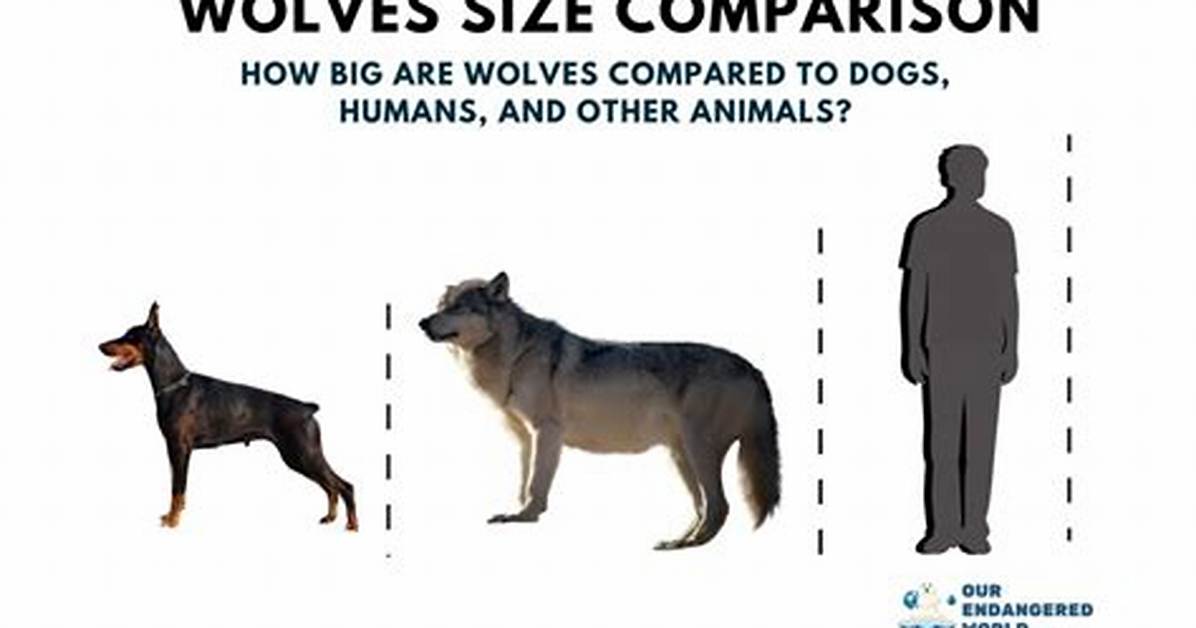
Discussions regarding wolf dimensions inevitably draw comparisons to the Late Pleistocene dire wolf (Aenocyon dirus). For decades, popular culture portrayed dire wolves as horse-sized monsters. Skeletal analysis demonstrates that while they were indeed heavier and more robust than modern gray wolves, they were not towering giants.
A dire wolf size comparison reveals that the extinct predator stood only slightly taller than modern Northwestern wolves, roughly 31 to 34 inches at the shoulder. The real divergence lay in skeletal mass and muscular density. Dire wolves packed 130 to 175 pounds onto a compact, thick-limbed frame, sporting wider zygomatic arches, heavier jaw musculature, and massive premolars specialized for shattering thick bone.
Interest in prehistoric canid genetics reached a fever pitch in May 2026 when biotechnology firm Colossal Biosciences announced progress on their dire wolf cellular engineering initiative, spotlighting their research work involving Romulus, Remus, and Khaleesi. Genomic revelations from ancient DNA confirm that dire wolves split from modern canines millions of years earlier than previously assumed, evolving an entirely distinct morphological profile built for grappling Pleistocene megafauna like bison and ground sloths.

