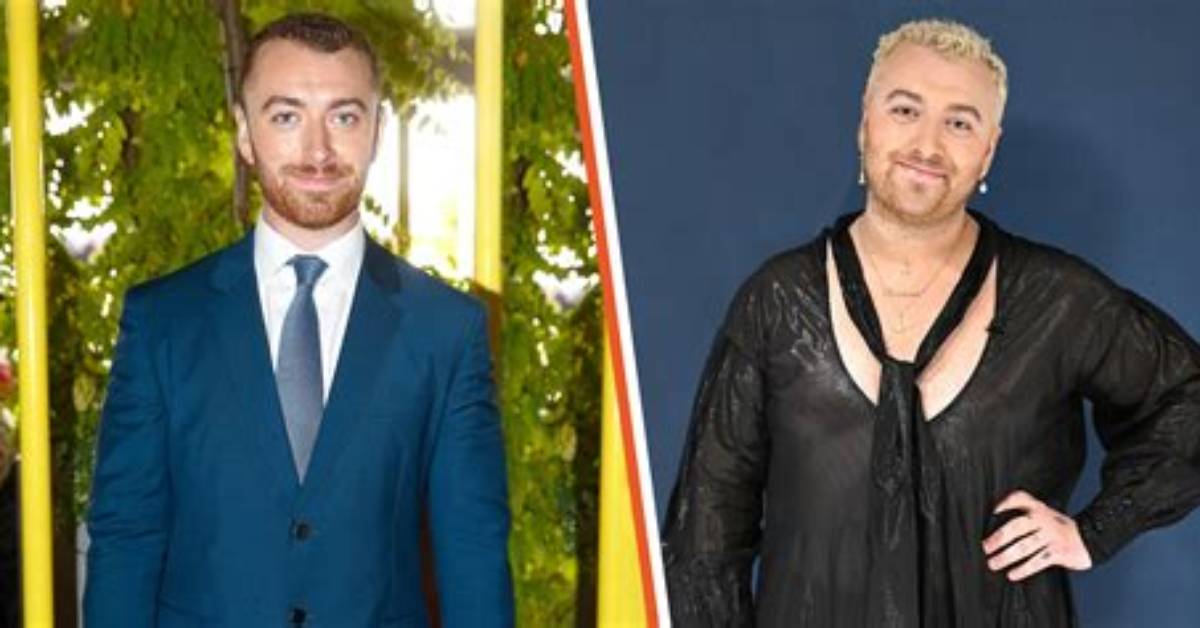
Re-recording vocals to align with evolved personal identity marks a notable shift in how legacy music rights are managed. When artists alter words on modern masters, the debate often splits between archival purists and advocates of bodily autonomy.
Some critics argue that archival recordings should remain unedited historical diaries of an artist's headspace at a specific moment. Yet contemporary streaming services decouple music from physical vinyl grooves, treating audio catalogs as mutable spaces. Smith did not pull the original 2014 cut from DSPs; instead, Capitol Records keeps both available side by side. Fans can stream the raw 2014 Grammy Record of the Year cut or choose the updated version that reflects who Smith is today.
Musicians have long altered lyrics live on stage, from Bob Dylan tweaking stanzas to Taylor Swift adjusting retrospective lines. Smith's institutional studio update sets a clear standard for LGBTQ+ artists whose early creative output precedes their public personal milestones.

