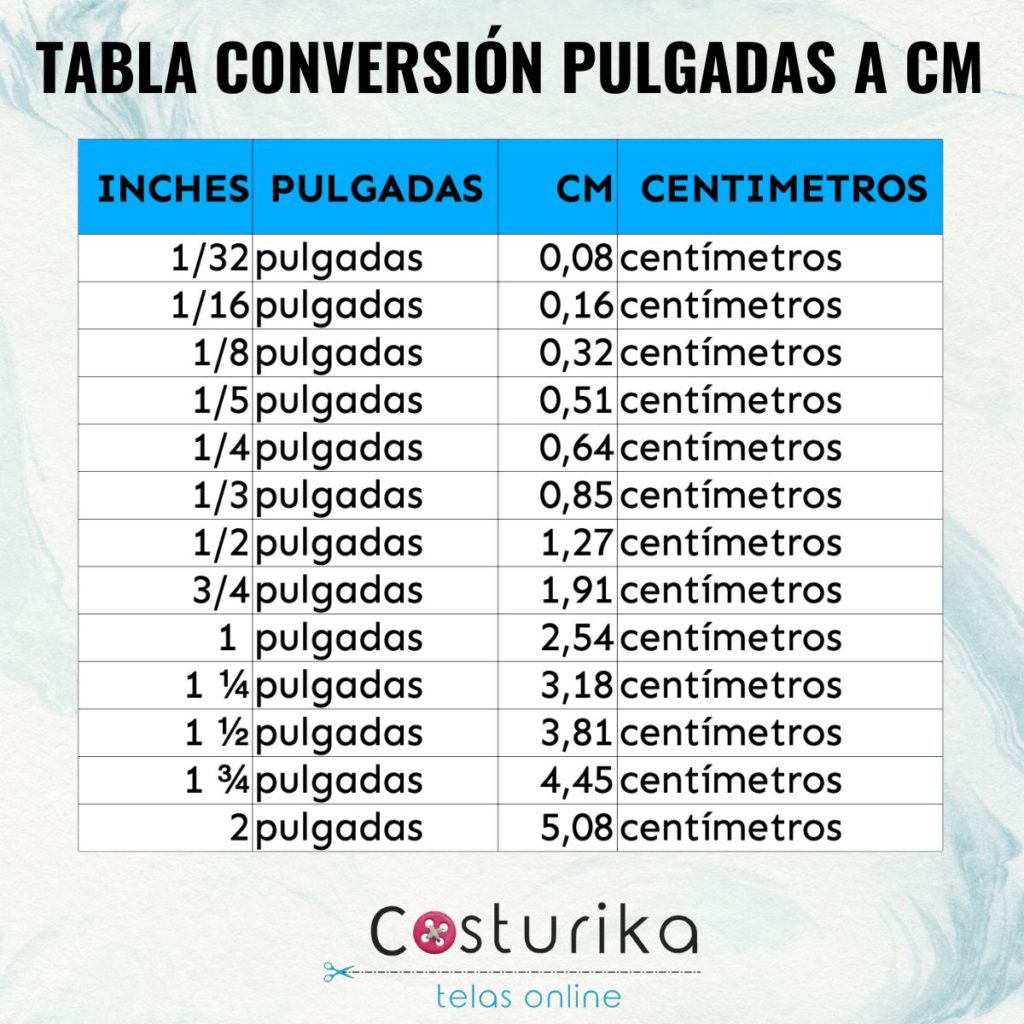
The inch once lacked uniform precision across borders. British, Canadian, and American industrial yards varied by fractions of a millimeter throughout the early 20th century, creating minor headaches for precision engineering and tooling tolerances. That divergence ended on July 1, 1959, when representatives from six English-speaking nations signed the International Yard and Pound Agreement. The treaty formally locked 1 yard to 0.9144 meters, which permanently defined 1 inch as exactly 25.4 millimeters, or 2.54 centimeters.
The basic conversion formula requires simple multiplication:
Centimeters = Inches × 2.54
To convert centimeters back to inches, divide the metric length by 2.54 or multiply by 0.393701. While a manual calculation works instantly on any smartphone unit conversion calculator, consumer electronics packaging complicates things. When a panel is labeled 65 inches, you are reading a single diagonal vector, not the real-world horizontal footprint of the cabinet.

