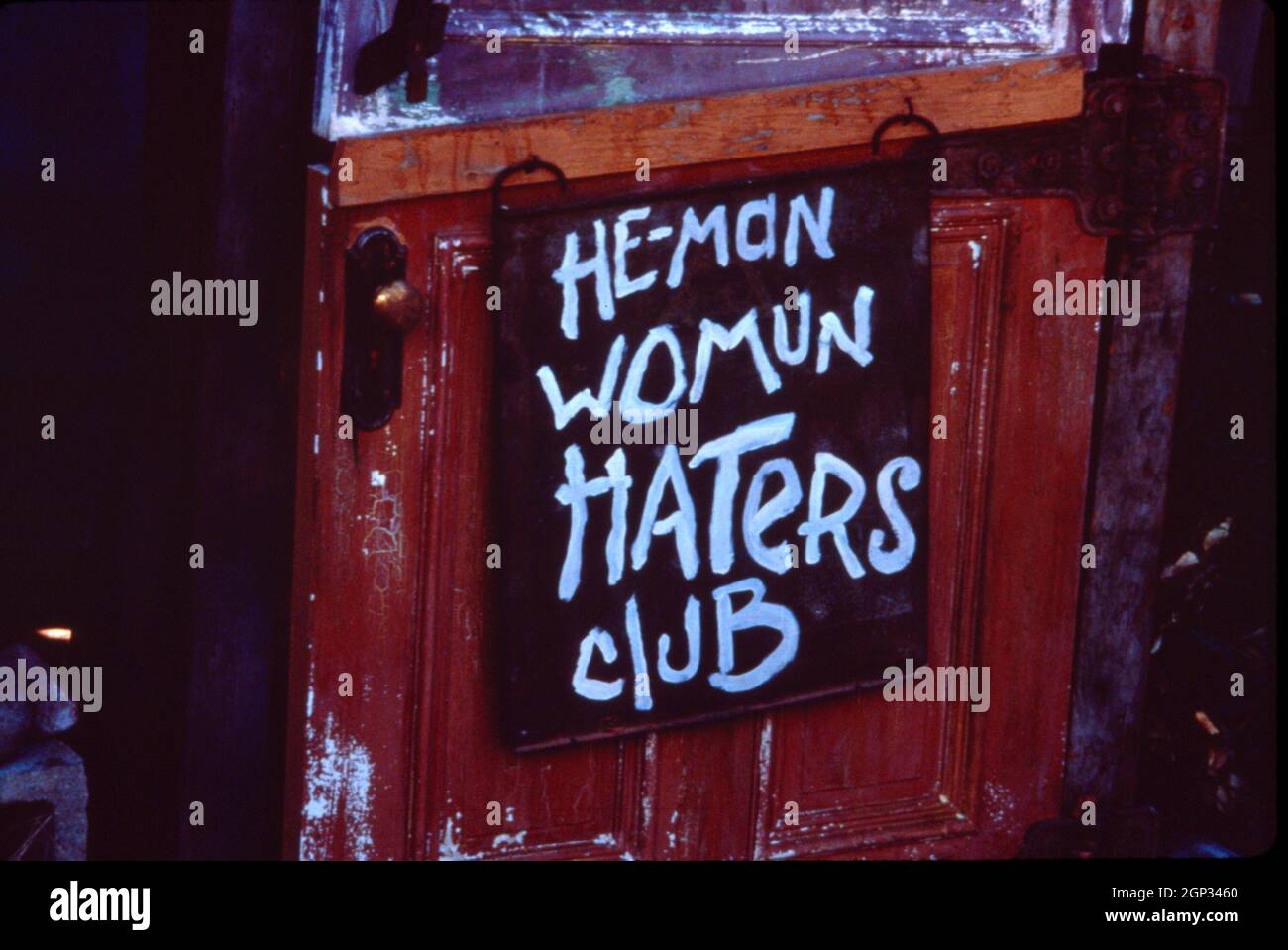
Over the past decade, political journalism adopted the phrase as a sharp rhetorical barb. Whenever a ticket, committee, or partisan backroom appears glaringly male-dominated or hostile toward female leadership, headline writers deploy the reference to deflate grandstanding.
In July 2024, The Nation criticized national campaign posturing with the headline "The He-Man, Woman-Hater’s GOP Presidential Ticket," arguing that specific policy platforms mirrored playground hostility toward women's autonomy. Entertainment writers had paved this road years earlier. Recapping reality television skirmishes in 2015, Vulture branded an all-male cast coalition on The Real Housewives of Atlanta as "The He-Man Woman-Haters Club" when husbands gathered off-camera to grumble about their spouses.
The metaphor works because it wounds through ridicule rather than sanctimony. Calling an opponent an autocrat invites debate over power and governance. Calling them a member of Spanky McFarland's secret society paints them as petulant children wearing oversized paper hats in a backyard shed. The comparison immediately undercuts serious political authority.

