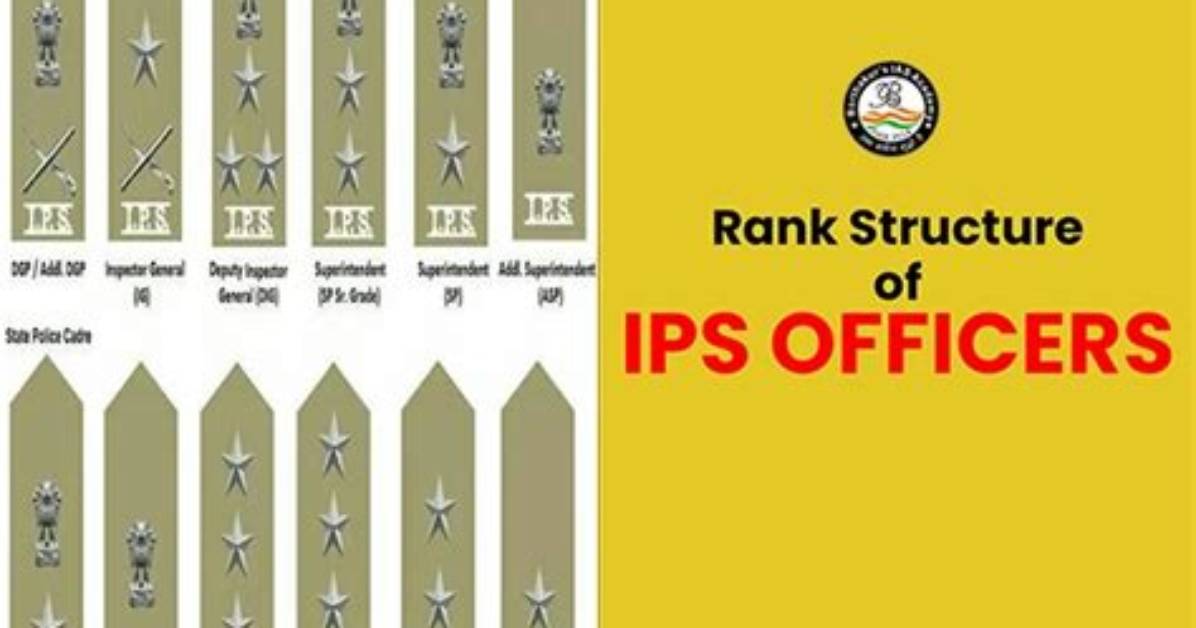
Fourteen years into service, officers cross into the Super Time Scale, claiming the rank of Deputy Inspector General of Police (DIG) at Pay Level 13A. This step represents a distinct shift away from immediate field policing toward regional oversight. A DIG coordinates operations across multiple administrative districts, manages disciplinary cases within ranges, and acts as an operational bridge between headquarters and district leaders.
Four years later, at year eighteen, eligible officers rise to Inspector General of Police (IGP) at Pay Level 14. This rank commands geographic policing zones or critical statewide administrative bureaus such as the Criminal Investigation Department (CID) or the Anti-Terror Squad (ATS).
Reaching the rank of Additional Director General of Police (ADGP) at twenty-five years of service (Pay Level 15) places an officer within state headquarters leadership. Beyond this milestone, the pathway narrows considerably. State cadres contain multiple ADGP posts, but the role of Director General of Police (DGP) heading the state force remains a single apex post (Pay Level 17, fixed at ₹2,25,000). Selection for this office depends on the UPSC shortlisting panel, senior service records, and state government appointment discretion under established Supreme Court guidelines.

